Joy Japan

Deals Attractions Food & Drink Shopping Hotels Itineraries Events News Destinations

Nagoya is the ideal base for your trip to Japan! Enjoy a day trip to Ise and Toba!

Nagoya is the ideal base for your trip to Japan! Enjoy a day trip to Ise and Toba!

Nagoya is the ideal base for your trip to Japan! Enjoy a day trip to Ise and Toba!

Nagoya, Aichi Prefecture is one of the three largest cities in Japan. The city has easy access to Tokyo and Osaka, and is also convenient to Shirakawa-go (a World Heritage Site located in Gifu Prefecture) and Ise Jingu Shrine (known as Japan's highest-ranking shrine, located in Mie Prefecture).

Whenever I travel to Japan, I always make Nagoya my base and it is a highly recommended city!Today I would like to talk about why you must visit Nagoya when traveling to Japan, and introduce you to the recommended day trips from Nagoya.

Why must I visit Nagoya when traveling to Japan?

As one of Japan's major cities, Nagoya's easy accessibility is one of the city's main attractions.Nagoya Station is only about 30 minutes from Central Japan International Airport (CENTRAIR), where domestic and international flights can be taken to various destinations. In addition, it is only about 30 minutes to Kyoto and about 1 hour and 30 minutes to Tokyo by Shinkansen from Nagoya Station.
You can also take a day trip from Nagoya to Ise, a popular tourist spot in Japan!
During the day we traveled to Ise and returned to Nagoya in the evening, where we tasted exquisite Japanese cuisine and local specialties.

Nagoya is a very ideal place to stay.
As Kyoto and Osaka are popular with overseas tourists, hotels are relatively expensive.Comparatively speaking, staying in Nagoya is more affordable and hotels have more vacancies, so you can easily book a room.


Considering the price of airfare to Kyoto and Osaka and the higher cost of accommodations, I think staying in Nagoya is a great deal, even after factoring in the cost of transportation to and from Nagoya.

Takayama in Gifu Prefecture (recognized as a World Heritage Site) is also easily accessible from Nagoya, so it is recommended that you make Nagoya your base if you want to visit Japan's most popular sights!

A day trip from Nagoya to play Ise and Toba!

The following is a one-day tour to Ise and Toba from Nagoya.Enjoy the beauty of both places in just one day!
The route itinerary is as follows:


Chubu International Airport→Nagoya Station

Nagoya→Ise Jingu Shrine
Stroll through the outer and inner sanctuaries
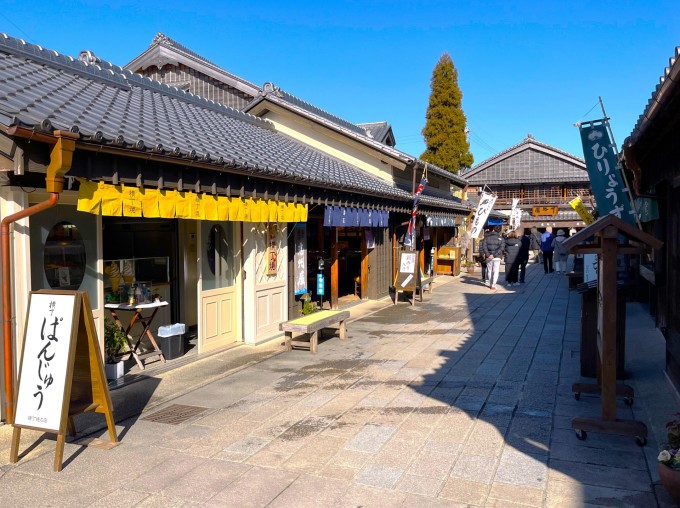
Shop at Mikuyama Yokocho Alley
Ise→Toba
Mikimoto Pearl Museum
Toba→Nagoya
First, arrive at Central Japan International Airport (CENTRAIR)!Take a limited express train to Nagoya Station from the station directly connected to the airport.

Arrive at Nagoya Station!

Nagoya Station is a large-scale hub station where many railroad lines, including JR, Kinki Railway, Meitetsu, Subway and Aonami Line, meet. From here, you can travel to Nagoya and the surrounding area, where there are many popular tourist attractions, such as:
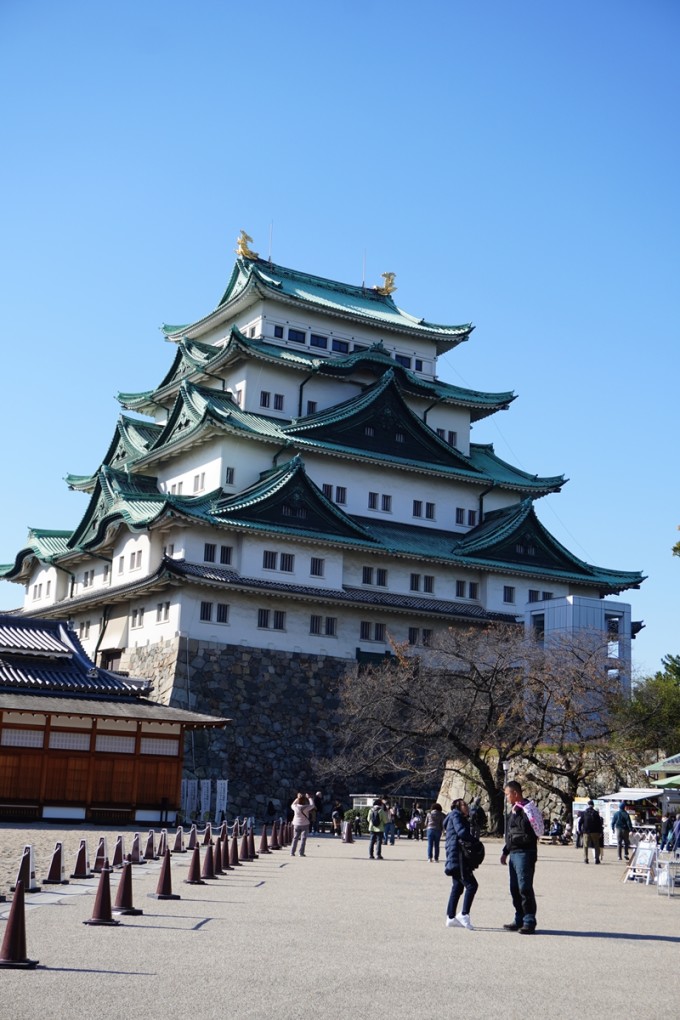
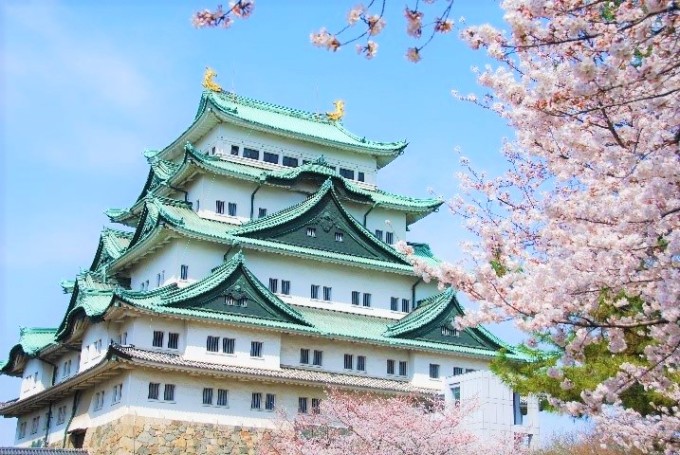
Nagoya Castle
Nagoya Port Aquarium
Dasu Kannon
Atami Jingu
Toyoda Museum
Inuyama Castle
Nameko no Hana no Sato.
I would like to recommend some of the classic lines around Nagoya.
Nagoya is also famous for its wide variety of local cuisine, known as "Nagoya rice".
In Nagoya, you can taste original dishes that are different from Japanese cuisine, such as Taiwanese-style cuisine (originated in Nagoya), tempura rice balls, miso stewed udon, miso fried pork cutlet, Kissi noodles, spaghetti with sauce, and many more!


We recommend that you store your suitcases and other bulky luggage at the coin lockers near Nagoya Station.

Traveling from Nagoya to Ise

From Nagoya Station, you will go to Ise Jingu Shrine.By Kinki Railway Express, it takes about 1 hour and 20 minutes.You can chat and have a snack in the car, and you'll be there in no time.
There are two types of express trains on Kinki Railway, the colorful and streamlined “Ise Shima Liner” and the relaxing and enjoyable “Shimabaze” tourist express.
Both types of express trains are subject to express and reserved seat fees, which need to be purchased at ticket counters or online.

If you are taking the limited express train, you will need to get off at Ise-shi Station and proceed to Ise Jingu Shrine from there.
It is important to note that there is not just one Ise Shrine, and that it is important to visit them in a certain order.

About Ise Shrine

Ise Jingu is a historic shrine dedicated to Amaterasu Omikami, the god of Japanese mythology.It is one of the highest ranking shrines in Japan and has been visited by worshippers from all over Japan since ancient times.Since Ise Jingu is divided into the “outer” and “inner” shrines and the two shrines are quite far apart, it is common to visit the “outer” and then the “inner” shrines in the order of "outer" and "inner" shrines. The two palaces are far apart, so it is common to visit them in the order of the "outer" and then the "inner" palaces.
The itinerary I recommend includes both the Outer and Inner Palaces, so if you can't see them all due to time constraints, I suggest you just visit the Inner Palace and the surrounding areas.

Visiting Ise Jingu Shrine (Outer Shrine → Inner Shrine)

First, depart from Ise City Station and head to the outer shrine of Ise Shrine.The Geku is a seven-minute walk from Ise-shi Station and can be reached by walking straight out of the station.Along the way, there are a variety of specialty stores and restaurants where you can browse as you walk.

※There is also a special shopping and dining time at the back, so you don't have to stay here for too long!

The main attractions of the Geku Shrine include the Kodama Pond, the Chikugokan, and the Kaguraden."A must-see is the Toyotomi Omikami Shrine (Shoinomiya), where Toyotomi Omikami is enshrined as the guardian god of various industries such as food, clothing, housing, and transportation.There are also many other small shrines dedicated to different gods.
It does not occupy a large area, but the whole environment is very quiet and peaceful.

The Naiku is about 4 kilometers from the Geku, so it is recommended to take a cab or bus to get there.
It takes about 30 minutes by bus and 10-15 minutes by taxi.

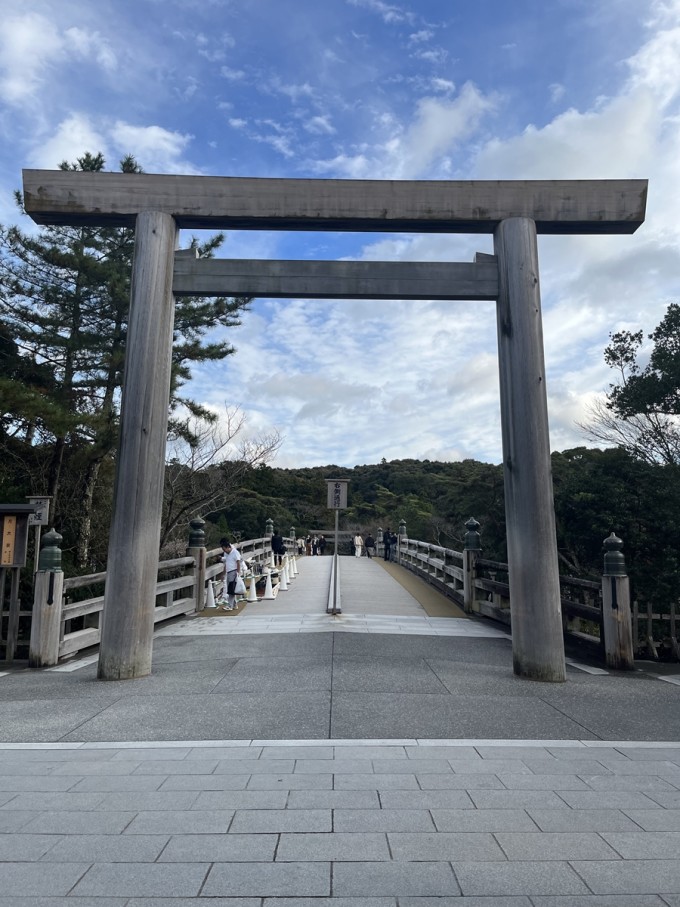
Naiku is here. The Uji Bridge at the entrance to the Naiku is a bridge between the secular world and the sacred world.
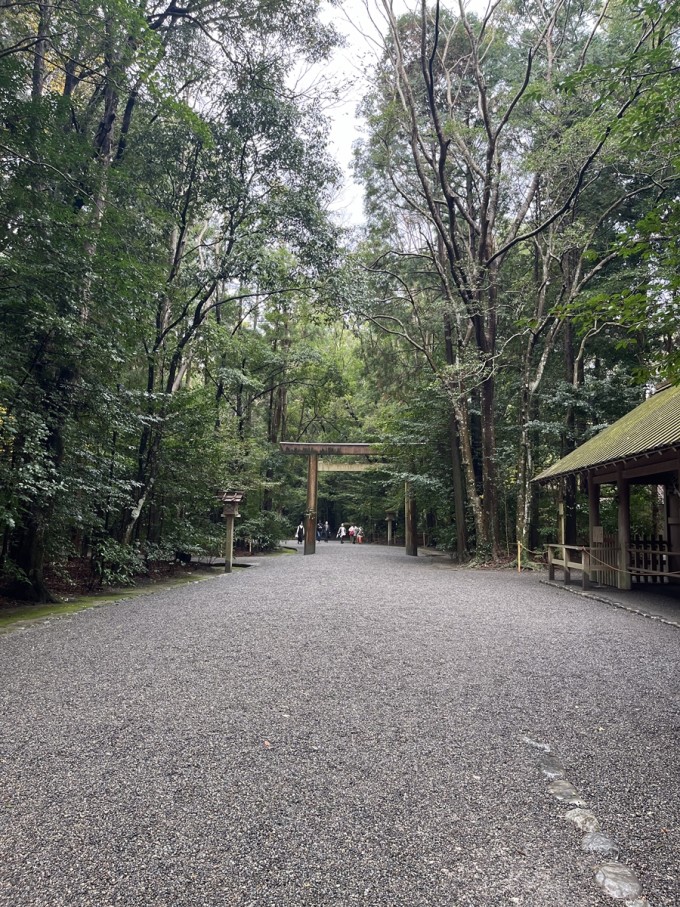
Upon entering the inner sanctum, you will find that the air suddenly becomes quiet and mysterious, as if you can feel the energy from the surrounding trees.
Walking straight to the right along the wide gravel road, you will come to a washbasin (a place where you wash your hands and purify your mouth before worshipping), and behind it is the Isuzu River, which is well worth seeing! Here, you can touch the clear water of the river and take pictures of the beautiful scenery.
Then you can follow the crowds to the Imperial Grand Shrine (Shoinomiya), which is dedicated to Amaterasu Omikami. After that, you can visit the smaller shrines or take a stroll around the grounds. There is no fixed route, so you can visit as many shrines as you like. There is no fixed route, so you can visit as you like. Among the shrines, there is a free resting place and sanitary room in the "Senshiden".

Enjoy shopping and dining in the alleys of Mikage Yokocho!

There are many restaurants and stores near the Naiku! You can visit here before you visit the Naiku depending on your schedule! Depending on your schedule, you may want to visit this area before you visit the Inner Palace.
Walking along the left side in the direction of the Uji Bridge of the Naiku, you will come to Ujimachi and the Mikage Yokocho Alley. Erochimachi is also a sightseeing spot. It is an 800-meter-long stone road lined with specialty stores and restaurants. When you reach the middle of the street, you will come to the Mikuyama Yokocho Alley.

Many of Ise's iconic buildings have been relocated to the Mikage Yokocho Alley, recreating the townscape of that time, and it is as if you have traveled back in time to the Japan of more than 300 years ago! The townscape has been restored to its former glory!
When you are in Ise, you should try the various local specialties. Some of the most popular dishes in Ise include the following:

Ise Lobster


Ise lobster is a popular premium ingredient in Japan. Its rich, sweet, and chewy texture makes it a must-have!

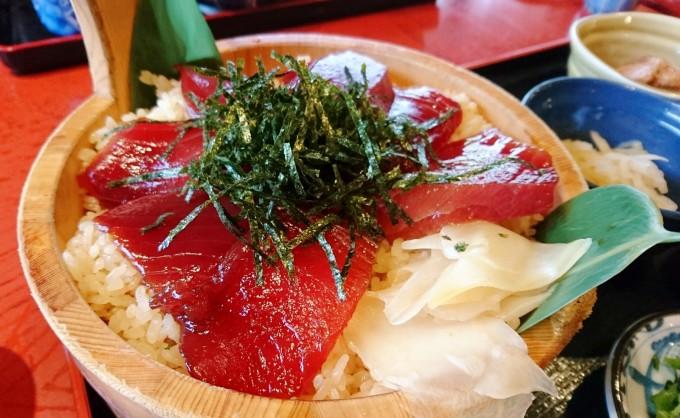
Sushi with hand-mixed sushi

The so-called "hand-mixed sushi" was originally eaten by fishermen on their fishing boats, but it has gradually spread and become a local delicacy. It is made by soaking slices of raw fish, such as bonito and tuna, in a soy sauce-based sauce, then placing them on a bed of vinegared rice and sprinkling them with condiments such as shiso and seaweed. This dish is perfect for sushi lovers!

・Ise Udon


This type of udon is characterized by very thick and soft noodles and is served with a black soup stock (tonkotsu). However, the flavor is not as strong as it seems, and it tastes more refreshing.

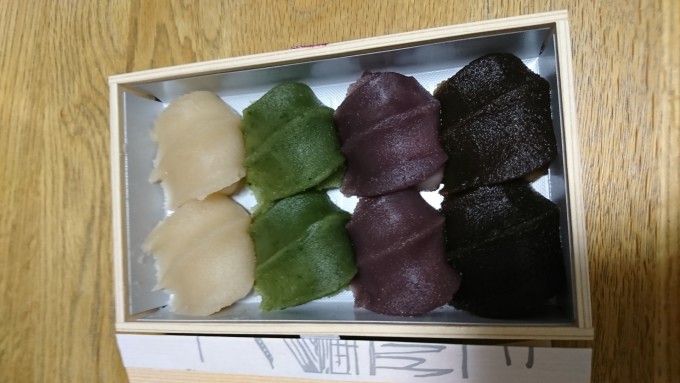
Akafuku Cake

Akafuku is a famous Ise confectionery with a history of over 300 years. It is a simple Japanese confectionary made of sweet potato wrapped in red bean paste. The bean paste is delicate and smooth, and the sweetness is high grade and mellow, making it one of the best! The sweetness is superb! Due to its short shelf life, it is not suitable for souvenirs. However, you can buy it back to the hotel as needed.

There are also a variety of snacks that you can eat while walking, such as cola cakes, yokote red bean buns, and lightly pickled cucumbers. You'll be hungry after a long walk, so be sure to enjoy all the food you can eat! Enjoy the food!
There are also a lot of Japanese groceries and snacks that can be stored for a longer period of time, so you can buy them as souvenirs.
I had a very satisfying meal of hand-mixed sushi, akafuku pancakes and Ise lobster! Then I browsed through the souvenirs and relaxed on a bench for a while until my stomach calmed down completely.

From Ise to Toba

After filling up your stomach, head to your next destination. There is still a long way to go from the Naiku to the nearest train station, so you can take a bus or cab to either "Ujiyamada Station" or "Ise-shi Station". You can choose either station.

After arriving at the station, take Kintetsu or JR to Toba Station. This is where Mikimoto's headquarters is located. Mikimoto was the first in the world to succeed in pearl cultivation, and the company operates in various parts of the world, including Japan and China. The “Pearl Museum” operated by Mikimoto is about a 7-minute walk from the station.

This is Japan's first pearl-themed museum, where you can learn about the formation and culturing process of pearls, see antique jewelry made from natural pearls, and gorgeous artifacts made from large quantities of cultured pearls.

The entire island is run by Mikimoto, and you can buy souvenirs at the Pearl Plaza and, if time permits, watch the “Sea Maiden Fishing Hunt”. The "Kaido Fishing Hunt" is where women dive into the sea to catch abalone and other seafood without wearing any diving gear. This is a traditional Japanese fishing method that has been passed down to the present day.

Nearby is the Toba Aquarium. This is one of the few aquariums in Japan that houses sea otters. If you want to include this in your itinerary, you can take the "Naiku -> Mikage Yokocho -> Pearl Museum -> Toba Aquarium" route.

From Toba to Nagoya

After enjoying the beautiful scenery of Ise and Toba, you can return to Nagoya Station. The Kintetsu Express will take you to Nagoya Station in about 1 hour and 30 minutes, just as you did on your way here. The express train "Urban Liner" has an observation deck, so you can enjoy the view through the wide, bright windows and taste the local Ise beer as the train speeds by.

After returning to Nagoya, check into the hotel! Take a rest and then go for dinner.

Stay at the hotel!

After returning to Nagoya Station, take out your luggage and belongings from the locker and check in at your hotel. Do you feel satisfied with this day trip?

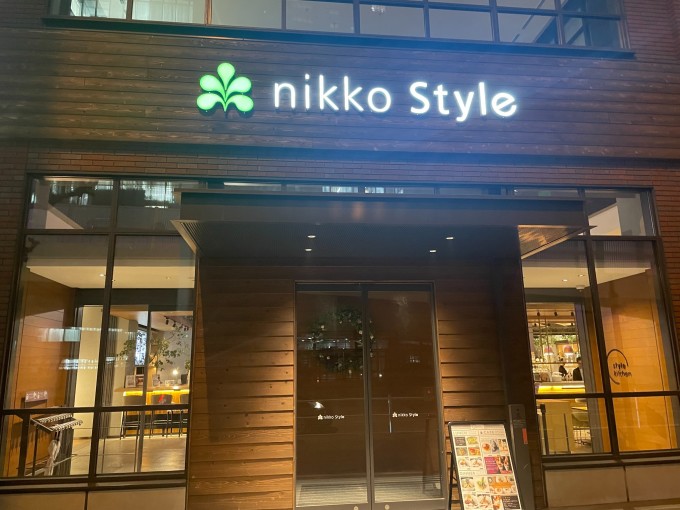
There are many hotels in Nagoya, but we recommend Hotel Nikko Style Nagoya. It is a lifestyle hotel with exquisite spaces full of design and is the first hotel in Japan under the new brand "Nikko Style" launched by Okura Hotels & Resorts.

The hotel is decorated with regional specialties such as Nagoya art, Seto-yaki art, and Arimatsu-dyed tapestries. Two of the main features of the hotel are the time of day and seasonal background music, and a DJ booth, which is not often found in other hotels. In the restaurant, you can also enjoy specialty coffees from Nagoya's popular cafe, TRUNK COFFEE.

Staying at a hotel with the local flavor of Nagoya and Aichi Prefecture will surely make your memories of Japan even better.

5 Must-Stay Highlights of Hotel Nikko Nagoya

This isn't just a hotel for sleeping, but a top-tier lifestyle hotel that blends "music, coffee, and local art":
Okura Nikko Hotel Management's Newest Masterpiece: The first hotel of Okura Nikko Hotels' new lifestyle brand.
Spacious and allows suitcases to be easily spread open: All rooms are over 30 square meters (about 9 *tsubo*), offering excellent natural light and a well-proportioned layout. For Taiwanese travelers, the best part is that two 29-inch suitcases can be fully opened without feeling cramped!
Immersive visual and auditory experience: The hotel lobby features an exceptionally rare physical DJ booth that plays exclusive background music that changes according to the time of day (morning, afternoon, evening) and season. The rooms are also equipped with high-quality JBL Bluetooth speakers.
Taste Nagoya's legendary artisan coffee: The hotel restaurant has partnered with Nagoya's legendary shop "TRUNK COFFEE" to offer special premium coffee roasted exclusively for the hotel.
・Incorporating Aichi Prefecture's local contemporary art: Everywhere in the museum, you'll find clever design elements that reinterprete Aichi Prefecture's renowned "Seto-yaki" teacups and "Arimatsu Shibori" tapestries with modern aesthetics, making every shot a perfect Instagramable masterpiece.
Local seasonal delicacies of the three Tokai prefectures: The attached restaurant, "Style Kitchen," uses fresh local ingredients from Aichi, Mie, and Gifu prefectures. Its exquisite and high-quality breakfast has received excellent reviews on Taiwanese and Japanese social media.

Hotel Basic Information and Real-time Room Rate Inquiry

Hotel Name: Nikko Style Nagoya
Hotel Address: 2-4-10 Meieki Minami, Nakamura Ward, Nagoya City, Aichi Prefecture
Transportation: Approximately a 10-12 minute walk from each line at "Nagoya Station" / Approximately a 10 minute walk from the Subway Higashiyama Line / Tsurumai Line "Fushimi Station"
Thoughtful amenities: 24-hour guest-exclusive fitness center, free high-speed Wi-Fi throughout the property, triple rooms available (perfect for girls' trips, small families).
Practical Travel Tools: [agoda: Click here to view current season rates and availability] [booking: Click here to view current season rates and availability]

Experience the charms of Ise and Toba on a day trip from Nagoya!

Ise and Toba are charming places to visit, with many popular sightseeing spots and a variety of cuisines. However, because of the lack of new routes, they are still a little-known area for overseas travelers. If you want to fully experience Japan's unique scenery and attractions, then be sure to visit Ise and Toba!

With both regions within a day's travel from Nagoya and easy access to Kyoto, Osaka and Tokyo, Nagoya may just be the ideal base for your trip to Japan!

Social media & sharing icons powered by UltimatelySocial