 bea_user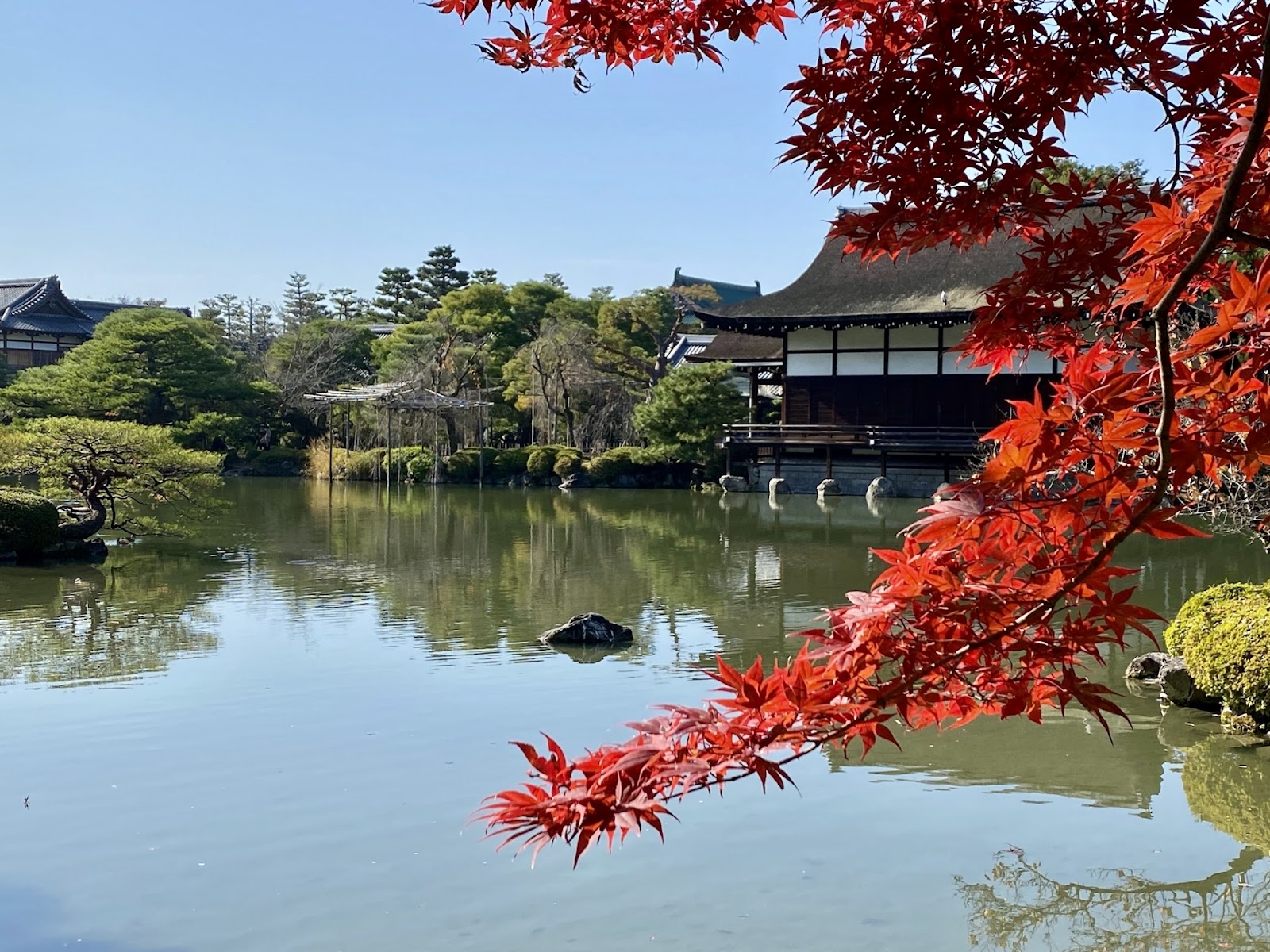
From the pink cherry blossoms of spring to the deep reds, oranges and golds of late fall, Tokyo is at its best when the leaves are in full bloom. From mid-November to early December every year, the best time to see the maple leaves and ginkgoes is in mid-November and early December. From Japanese gardens in the center of the city to mountain forests in the countryside, you can collect the "Tokyo Maple Leaf Viewing" and the "Tokyo Ginkgo Boulevard" in one go by taking the right time and route. Selected articles 12 Popular Foliage SpotsThe highlights, transportation and experience points are included to help you plan a mistake-free fall trip.
A little reminder before you go
- Optimal viewing period:Mid-November to early December(Slightly forward and backward depending on the year and temperature).
- Dressing advice: In the fall in Tokyo, there is a big difference in temperature between morning and evening, so please bring thin down feathers, a sweater and a scarf; in rainy weather, bring lightweight rain gear.
- Avoiding the crowds: Hot spots tend to be crowded on weekends.Weekdays or early morningsAdmission; please line up early for nighttime lighting.
1. Rikugien Garden|Beautiful nighttime maples in Edo's famous gardens
The garden was built in 1702 by Okubo Tadatsugata, who was the second-in-command of Tokugawa Tsuyoshi, a shogun of the Five Dynasties, and is one of the most representative of Tokyo's spring gardens with a back-to-back style. When the garden is lit up in autumn, the red maples are reflected in the water, and when you walk between the seven bridges and the dry landscape, the warm colors of the garden seem to light up the whole garden. The gently walking paths in the garden are ideal for first-time maple-watchers. Before visiting, please check the seasonal opening information and the availability of night lighting events.
2. Hama-rikyu Gardens|Skyscraper×Bay's urban foliage
Located in Shiodome, with skyscrapers on the left and Tokyo Bay on the right, the park is characterized by the Edo period tidal pool and two duck farms. In late fall, maple trees, ginkgo trees, and tea pavilions in the garden create an exquisite cityscape, and when you take photos with tall buildings in the background, you can highlight the beauty of the "leafy oasis in the city".
3. Koishikawa Korakuen Garden|The classic composition of red maple bridge
Named after a Chinese poem, the classical garden is filled with maple trees around the "Tongtian Bridge," and when the bridge turns red, the red foliage and the bridge contrast with each other, making it a favorite destination for photography fans. The garden uses borrowed scenery and miniature scenery to present the mountains, lakes and seas, which makes you feel like you have completed a miniature version of a trip to Hokkaido as you walk around.
4. Ninomaru Garden (Imperial Palace Higashi Gyoen Ninomaru Garden/Ninomaru Garden)|Elegant Autumn Colors in the Imperial Palace
The Imperial Residence Higashi Gyoen is open to the public free of charge. The Ninomaru Garden retains the style of the gardens of the modern daimyo, with maples and azaleas, and can be used as a day trip to the nearby Ginza, Diet Hall, and Budokan. Please check the opening days before entering the garden (the garden may be closed on Mondays and Fridays).
5. Shinjuku Gyoen (Shinjuku Gyoen/Shinjuku Gyoen National Garden)|The largest maple viewing lawn in the city center
This large-scale urban green space is within a 10-minute walk of Shinjuku Station. A French-style garden, an English-style lawn, and a Japanese-style garden are all in one place, while red maples, yellow ginkgoes, and larch trees turn the grass into warm colors in the fall. InsideAlcohol, tobacco and amusement devices are prohibited (except in the Children's Plaza).Tickets are required to enter the park.
6. Meiji Jingu Gaien Ginkgo Avenue|Tokyo's most scenic golden avenue
Four rows of 146 ginkgo trees turn the avenue golden yellow, and in the distance, the Seitoku Memorial Museum of Painting closes the picture frame, forming the most representative picture frame of "Autumn in Tokyo". Most of the ginkgo trees are visible from late November to early December, but it is recommended to visit on weekdays for better photos in case of night lighting events.
7. Mt. Takao|Half-day hiking + cable car (ケーブルカー)
It is a 50-minute ride on the Keio Line from Shinjuku. Every November, the "Takao Mountain Leaf Festival" is held, with red maples and beeches decorating the mountainside and the summit. Accessible by Mountaineering Gondola (ケーブルカー) 或 Lift chair (リフト) Go up the mountain, then choose trails 1 to 6 to go down; for a more relaxing experience, you can take the Omotesando Trail No. 1.
8. Lake Okutama|Tokyo's Secret Lake Foliage
About 2 hours by tram from the center of the city, the mountains, lakes and suspension bridges provide a magnificent view. In late fall, when the lakeside trail and valleys are surrounded by red maples, you can arrange a bus toPontoon Bridge (Maiyama no Pontoon Bridge)Take a stroll, or take a day trip to the Hibaru Monk's Cave and the Otama Hot Springs.
9. Yoyogi Park (Yoyogi Park/Yoyogi Park)|Picnic, Jogging and Gingko Lawn
Located next to the Meiji Shrine, this garden is the backyard of the city's residents. In the fall, when the ginkgoes turn yellow and the maple trees turn red, you can spread out your picnic mat and enjoy the most local fall afternoon; if you want to move around, you can rent a bicycle and go around the garden path.
10. Ueno Park|Museums, Art & Culture + Pondside Foliage
Not only are the zoo and the museum interesting, but the thousands of trees in the park change color in the fall, so you can't help but take pictures all the way to the end of the memory; you can take pictures of the reflection of Bu Bu Bu Pond, Shimizu Guanyin Hall, and the red leaves together.
11. Showa Kinen Park|The Golden Tunnel of the Double Row Gingko Boulevard
The park is located in Tachikawa, about 30 to 40 minutes by train from Shinjuku. There are two famous avenues of ginkgoes and Japanese gardens with red maple blossoms, and in some years the park is illuminated at night. The park is large, so it is recommended that you rent a bicycle or take a train tour after entering the park to save on foot travel.
12. Inokashira Park (Inokashira Park)|Water view of red leaves on a walk in Kichijoji Temple
With Inokashira Pond as the centerpiece, taking a swan boat through the red leafy waters is a classic way to play. Back in the Kichijoji shopping district, you can extend your shopping, desserts, and selection of stores, or make a reservation for the Mitaka-no-mori Ghibli Museum of Art.
Suggested Itinerary|Two Days One Night Maple & Ginkgo Viewing Course
Day 1:Rokugien Garden → Koishikawa Korakuen Garden → Hama-rikyu Shrine Garden → Meiji Jingu Gaien Gingko Boulevard (Golden Boulevard Sunset and Night Lighting)
Day 2:Shinjuku Gyoen → Ueno Park → Yoyogi Park → (good physical condition) In the evening, go to the national Showa Memorial Park and light up the lights.
Frequently Asked Questions (FAQ)
- Q: When will you meet us this year?
- A: Usually falls onMid-November to early DecemberPlease check the official website of each park or the official information of Tokyo Sightseeing before departure, as it may fluctuate depending on the temperature and rainfall.
- Q: Do I need a reservation or ticket?
- A: Some gardens (e.g. Shinjuku Gyoen, Rokugien, etc.) need to bePurchase of TicketsThe event may be booked online or limited to a certain number of visitors during special exhibition periods.
- Q: Is it appropriate to bring older children?
- A: The urban gardens are the friendliest with smooth and well-equipped trails. If you want to go up Mount Takao, we recommend taking a cable car or a chairlift, and then a short trail, depending on your physical ability.
Conclusion
Autumn in Tokyo is a feast of colors: see the red maples reflecting in the ponds in the gardens during the day, take a stroll along the Ginkgo Biloba Avenue in the evening, and catch the nightly illuminations at night. With time and motion, you'll have Tokyo's reds and golds all in one place. Enjoy your trip!