
In-depth tour to Matsumoto Castle and Shirakawa-go in Central Japan from Shinjuku, Tokyo
 JOYJAPAN
✨See the earning! ! !
Table of Contents
- 1 ✨See the earning! ! !
- 2 Chubu Regional Tourist Information Center in Keio Shinjuku
- 3 Itinerary
- 4 Day 1-Touching the National Treasure of Japanese Culture in Matsumoto City
- 5 Day 2-Kamikochi~Hiratsuyu Onsen - Healed by Nature's Bounty
- 6 Day 3-New Hotaka
- 7 Day 4-Enjoy World Heritage Shirakawago
- 8 Ticket Information
- 9 Suggestions for Other Routes: Tateyama Kurobe Alpine Route Shinjuku Ticket
When traveling abroad, if you can get the guidance from your local Chinese friends, you can definitely save a lot of travel expenses. I've been longing for Shirakawago for a long time, so my friend who lives in Tokyo introduced us to this package 🎫 Not only did we get to visit Shirakawago, but we also took advantage of the package and went to all the places nearby that were worth visiting. The price/performance ratio is super high! ! ! I'm so good at life! ! I really know how to live! By the way, I also recommend this organization that I met by chance in Tokyo, the information provided is very reliable and comprehensive.
There are Chinese staff! ! !
Chubu Regional Tourist Information Center in Keio Shinjuku
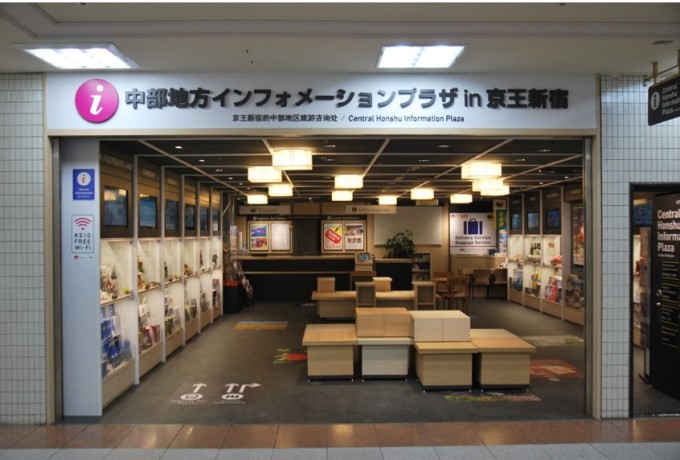
The Keio Shinjuku Chubu Tourist Information Center is located in the Keio Mall, an underground shopping street near Shinjuku Station. In addition to the above, there are more than 10 recommended routes including Fuji Five Lakes, Kofu, Suwa, Shiokiri, Kiso, Komagane, etc. You can get information about sightseeing in the area at the Chubu Area Tourist Information Center in Shinjuku, Keio. The staff is available in both Chinese and English.
You can browse the Internet to gather information on local sightseeing in advance, and then purchase tickets such as the 3-star Line Shinjuku Ticket and the Alpine 3-star Shinjuku Pass at a travel agency, or of course, purchase and exchange bus tickets for the above areas at the Chubu Area Tourist Information Center in Keio Shinjuku.
Here you can also buy SIM cards and rent mobile Wi-Fi routers.
Of course, you can also buy various subway tickets for Tokyo and tickets for sightseeing facilities around Shinjuku.
Please refer to the following website for details:
Keio Shinjuku Chubu Tourist Information Center (Tokyo/Shinjuku Station)
- Business Hours:
- 8:30-19:00
- Tel:
- (+81)-3-5990-5115
- Address:
- 1, Nishi-Shinjuku 1-chome Minamiguchi Underground Street, Shinjuku-ku, Tokyo 160-0023, Japan
- Formula Sites:
- https://www.keioinfoplaza.jp/en_top
Itinerary
Day 1-Touching the National Treasure of Japanese Culture in Matsumoto City
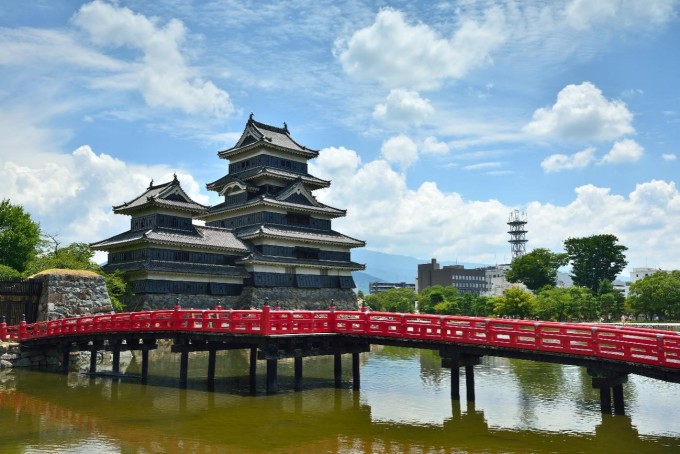
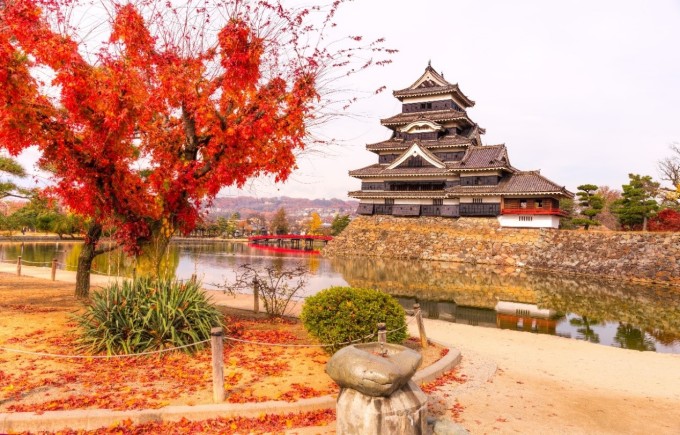
Matsumoto Castle, a famous castle in Japan
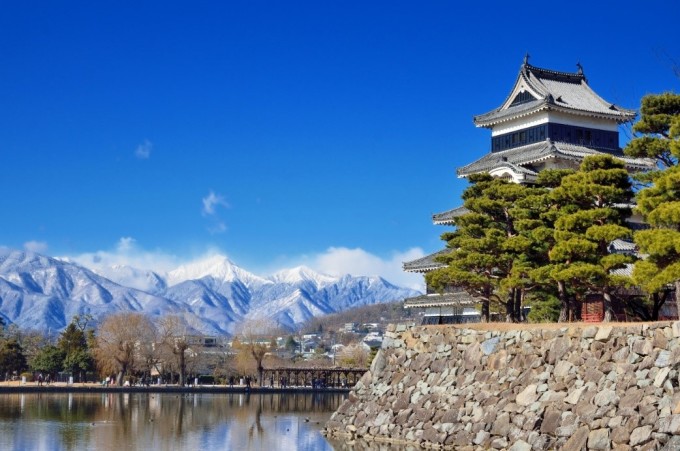
Matsumoto Castle was designated as a national treasure in 1941.
Matsumoto Castle is the oldest surviving five-story, six-story national treasure castle in Japan, dating back to Fukashiki Castle built during the Eisho period of the Sengoku period. Because it is one of the only five national treasure castles in Japan, the castle is surrounded by the Tensho (the highest and most dominant part of a Japanese castle, and one of the symbols of power). The name "Tenshokaku" is a new name since the Meiji era). It is worth stopping to take pictures of the moat with the Northern Alps as a backdrop. Matsumoto Castle is unique in that it has a complex linking of the large and small tensho, which is a unique structure of Matsumoto Castle.
The cherry blossom viewing period in Matsumoto Castle is scheduled from early April to mid-April.
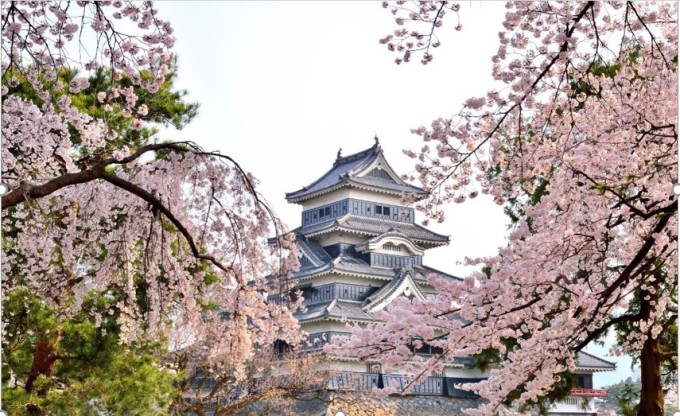
Matsumoto Castle Park
- Opening hours:
- 8:30 ~ 16:30
- Rest Garden:
- Open all year round / Closed at the end and beginning of the year
- Address:
- 4-1 Marunouchi, Matsumoto City, Nagano Prefecture
- Mode of transportation:
- Get off at "Matsumoto Station" on the JR Shinonoi Line and walk for about 15 minutes. Bus Matsumoto Weekly Bus "Town-Sneaker" North Route From "Matsumoto Station's Castle Exit" → "Matsumoto Castle and City Hall Mae", the ride time is about 10 minutes.
- Official Website:
- https://www.matsumoto-castle.jp/
"Famous sightseeing spots around "Matsumoto Castle
Okinawan Shotengai - Enjoy a stroll at the foot of the Imperial City
Rope Hands Pass Shopping Arcade
- Address.
- Ote, Matsumoto City, Nagano Prefecture
- Transportation.
- It is a 6-minute walk from Matsumoto Castle.
- Website:
- https://www.nawate.net/
Matsumoto City Museum
Matsumoto City Museum
- Opening Hours.
- 9:00 ~ 17:00
- Closed: 1:00 p.m., 1:00 p.m., 1:00 p.m.
- Mondays (if Monday is an official holiday, the library will be closed on Tuesdays as well)
- Transportation.
- It is a 13-minute walk from Matsumoto Castle.
- Website:
- https://matsumoto-artmuse.jp/
Food in Matsumoto
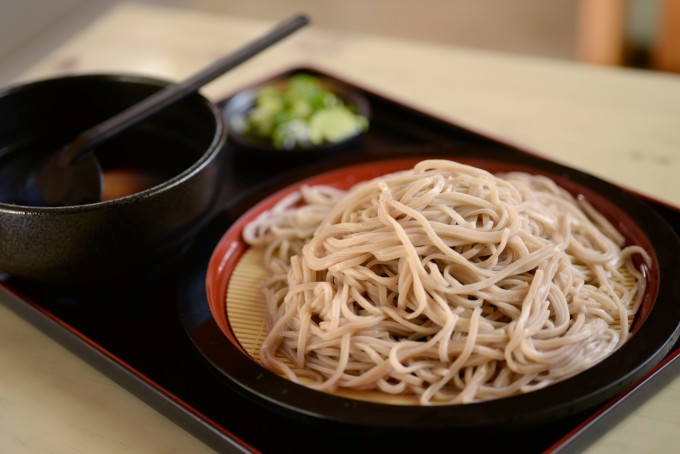
Shinshu Soba - Ranked No. 1 in Japan for per capita consumption
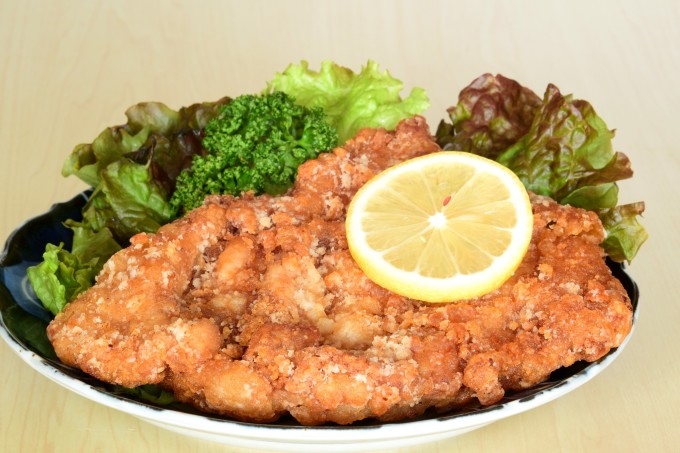
Grilled Chicken Cutlet with Thieves
Day 2-Kamikochi~Hiratsuyu Onsen - Healed by Nature's Bounty
Upper Highlands
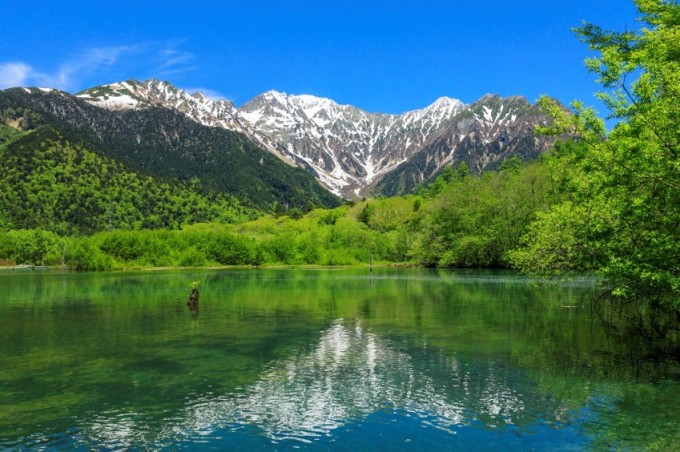
Located in the upper reaches of the Azusa River in the western part of Nagano Prefecture, Kamikochi is a small basin with an elevation of about 1,500 meters, surrounded by the Hodakurinboku, Yakidake, and Tokonen mountain ranges, and is a Chubu Sanno National Park. It was introduced to the world by the 19th century British missionary and mountaineer, Worcester Weston, and is known to many mountaineers as a famous scenic spot in Japan.
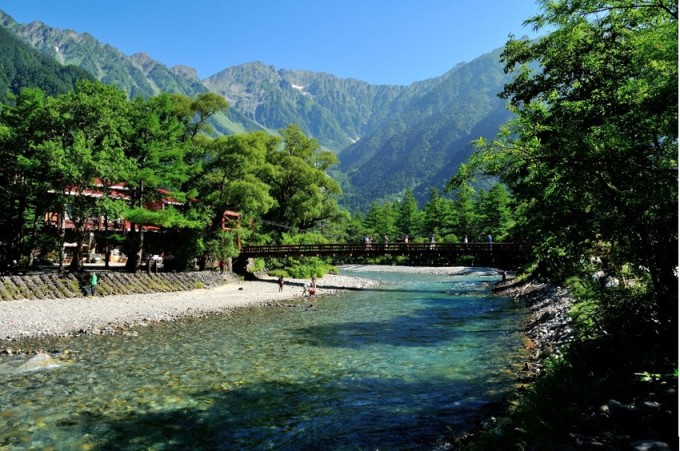
Upper Highlands
- Address:
- Yasumogami Heights, Matsumoto City, Nagano Prefecture
- Traffic:
- Take the Matsumoto Electric Railway Kamikochi Line and get off at Shindoshima Station (approx. 30 minutes), then transfer to a route bus to your destination (approx. 60 minutes).
- Website:
- https://www.kamikochi.or.jp/
Kappo Bridge
ride in a saddle
Norikura has the highest highway in Japan that can be used by automobiles. The 2,702-meter stack is often used as a starting point for visiting Norikura, where you can enjoy hiking while climbing and viewing alpine plants. Norikura is the 19th highest mountain in Japan, and the autumn foliage is particularly beautiful. There are many tourists who come here for hiking and sightseeing in the fall. Norikura is also known as Japan's easiest mountain to climb above 3,000 meters.
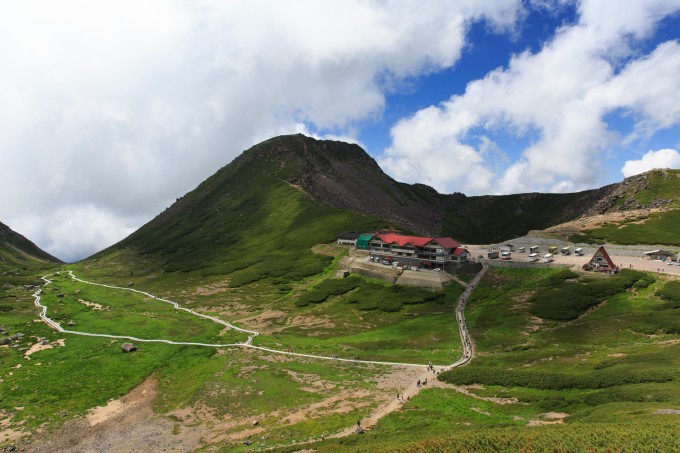
Day 3-New Hotaka
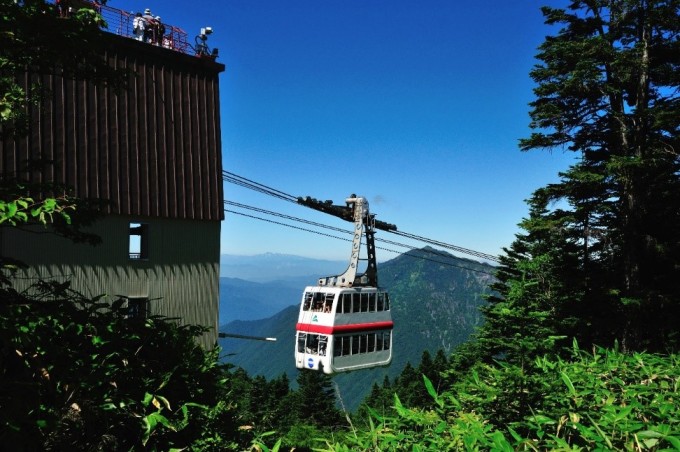
New Spike Highland Cable Car
Ride the "Shin-Hotaka Cable Car" and marvel at the awe-inspiring nature while overlooking the vast Alps of Japan. "The Shin-Hotaka Cable Car is the only double-decker cable car in Japan with a capacity of 120 passengers at a time. From the observation deck on the roof of the cable car station, which is 2,156 meters above sea level, you can see the majestic Northern Alps, including Nishiho Takadake (2,909 meters) and Gunsutake (3,180 meters).
Transportation: Take a local bus from Hiryu Bus Terminal for about 40 minutes.
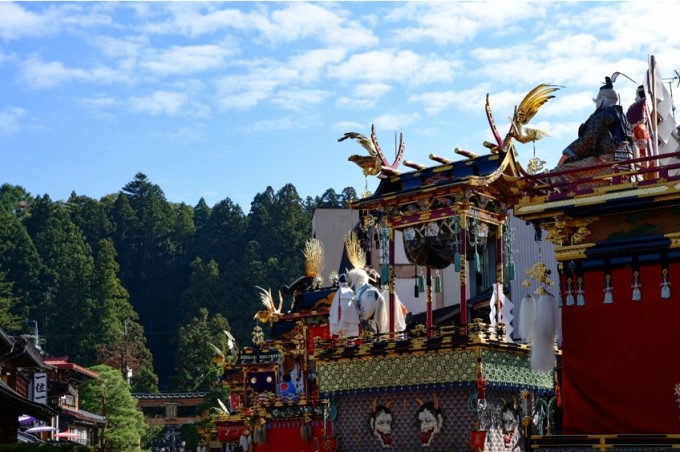
Hida Takayama
The Takayama Festival is held twice a year, in spring and fall. There is a grand and colorful altar and a parade in traditional costumes. The Takayama Matsuri is registered as a UNESCO Intangible Cultural Heritage.
Kamisanomachi
Hida Beef refers to the black-haired Wagyu cattle raised in the Hida region by local people living in Gifu Prefecture.
We recommend eating local delicacies such as Hida beef kebabs, fried beef patties, and nutmeg while walking.
Takayama Kamisanomachi Old Town
Nakahashi
Shen Yu (神輿) is the vehicle that carries the god.
Kagura means the arrival of a god or a thing on which a god rides.
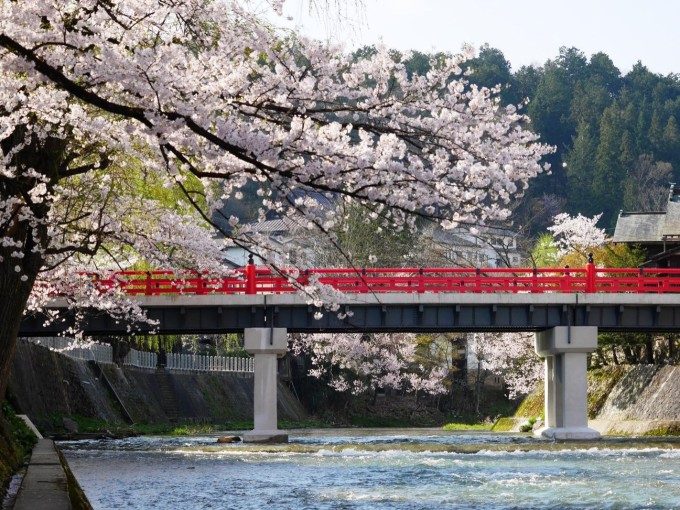
Movie "Your Name"
Hida Furukawa Station
Hida Furukawa Station is a railroad station on the JR Hida Line and JR Takayama Main Line, and it is also the main station of Hida City, which is known for its sightseeing. In "Your Name," Ko Takashi passes by this station when he goes to Hida City to look for Mitsuba. The station is the best place to take pictures of the scene, and the ground level has been raised so that more moviegoers can take pictures.
Gero Onsen
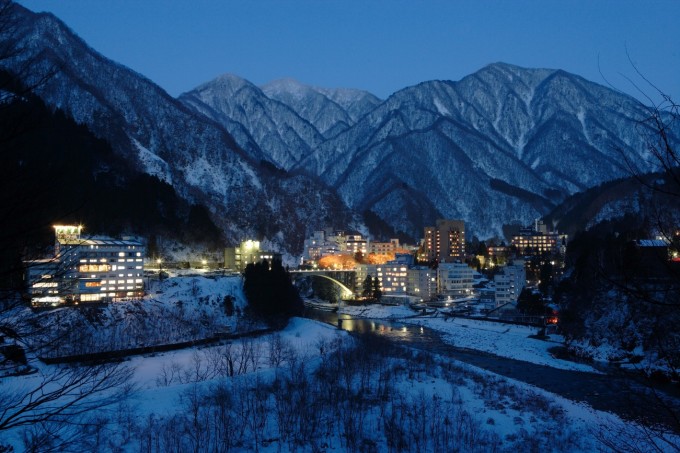
Gero Onsen is the largest hot spring resort in Gifu Prefecture, Japan, surrounded by the Hida mountains, and is one of the three most famous hot spring areas in Japan, along with Arima Onsen and Kusatsu Onsen. The hot spring town is filled with a variety of hot spring baths and onsen ryokan (hot spring inns) and is full of the flavor of a hot spring town. The most famous of these hot springs is "Nin-no-yu," which is known for its beauty-enhancing effects on the skin and face. There are many large hot spring inns in the area, and in addition to the hot spring facilities, there are tourist shopping centers in the Gero Onsen Street where visitors can shop for a variety of local specialties.
Day 4-Enjoy World Heritage Shirakawago
Shirakawago World Heritage Site
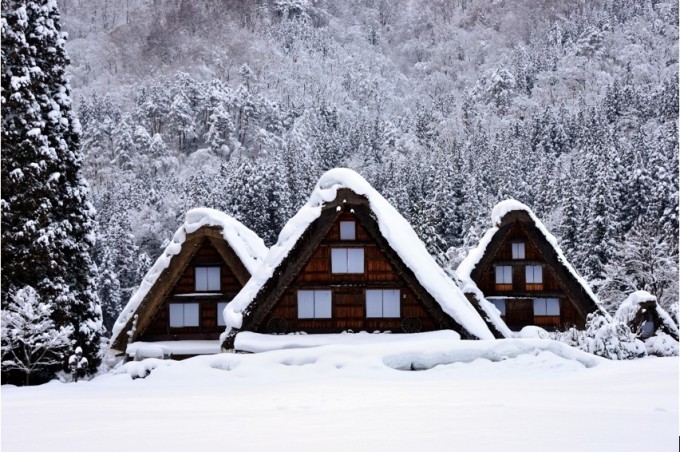
Four Seasons in Shirakawago
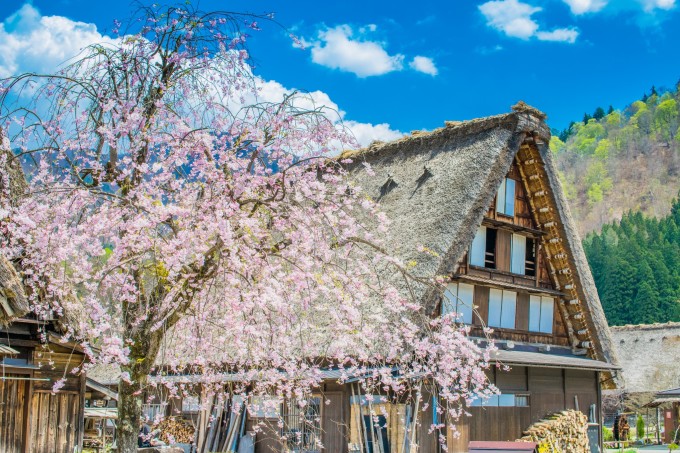
Shirakawago is famous for its scenery in winter, but it is also beautiful in other seasons. In spring, when the cherry blossoms are in full bloom, the house is decorated with cherry blossoms. The grass grows and warblers fly in the spring breeze.
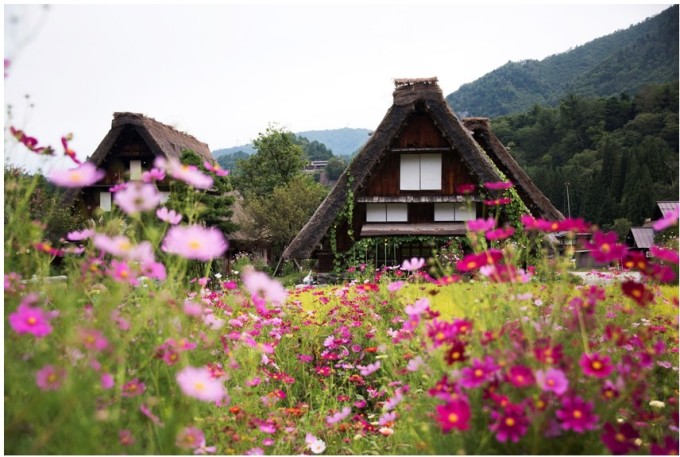
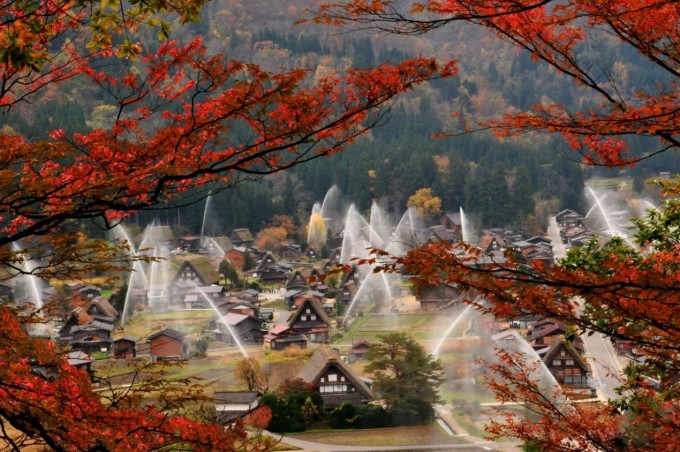
Wada Family, Hapo Village
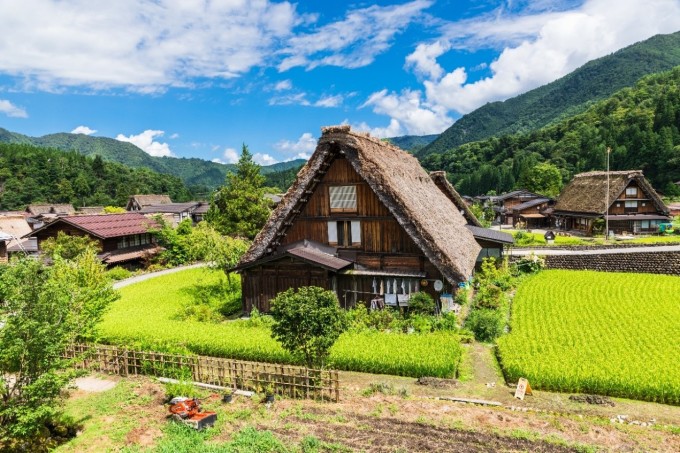
The Wada house is one of the many houses in the village of Ogijo in Shirakawa-go, and the Ogicho district in which it is located is the largest Ogijo-built house in Shirakawa-go. It was built at the end of the Edo period, and is the only national important house in Shirakawa-go. In addition to the exhibition space, the Wada house is now inhabited by residents, and the first and second floors are partially open to the public, preserving the original traditional style of the house.
Wada Family, Hapo Village
- Address.
- Ogi-cho, Shirakawa-mura, Ono-gun, Gifu Prefecture
- Transportation.
- Takayama Nohi Bus Center → "Takayama Nohi BC (Shirakawago BT line)" (approx. 56 minutes by car) → Get off at "Shirakawago Station" and walk for about 5 minutes to the center of Shirakawago.
Hejiao Village, Shirakawa Heung
Ticket Information
Alpine 3-Star Shinjuku Pass
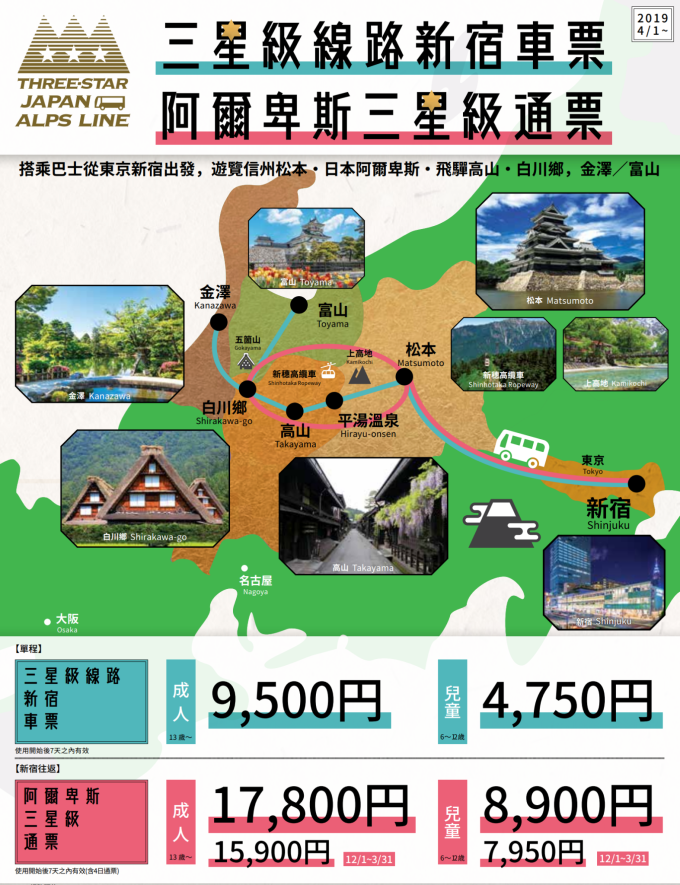
December 1~March 31: Adults 15,900 yen/person, children 7,950 yen/person.
In addition to riding the Shin-Hotaka Cable Car with the Free Ride Ticket, you can go to popular tourist spots such as Kamikochi and Jyokan. There is no limit to the number of times you can get on and off the ropeway between locations.
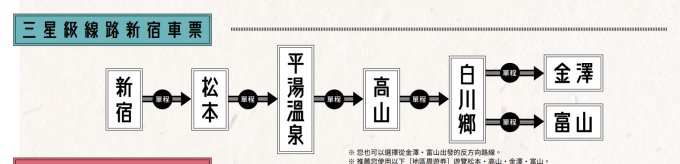

※When you use this ticket, you will have to pay a separate fee for the cable cars of Kamikochi, Rikakura, and Shihoko.
Kanazawa City
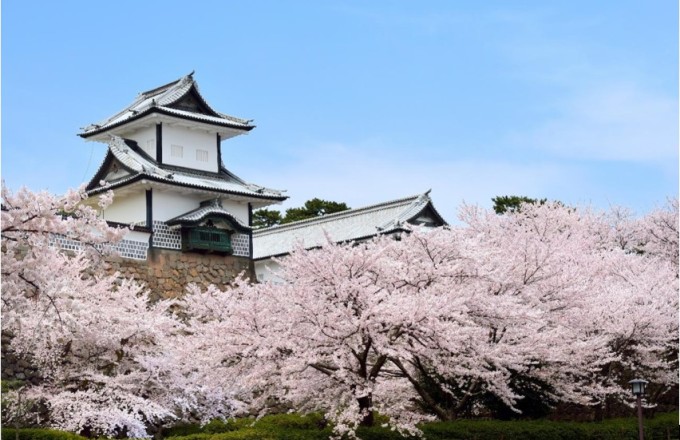
Kanazawa City
- Address.
- 1-53 Koshomachi, Kanazawa City
- Transportation.
- 1)Kanazawa Station→Kanerokuen Station→Kanazawa Castle Park (Ishikawa Gate)→Kanerokuen (Katsurazaka Exit)
2)Kanazawa Station→Get off at Hirosaka→Kanazawa Castle Park (Tamasenin Maru Exit)-→Kanerokuen Garden (Mako Sakaguchi Exit)
3)Kanazawa Station→Izuhamacho Station→Kane-rokuen (Kotachinokuchi)
- Official Website:
- https://www.pref.ishikawa.jp/siro-niwa/kanazawajou/
Kanazawa Kanrokuen
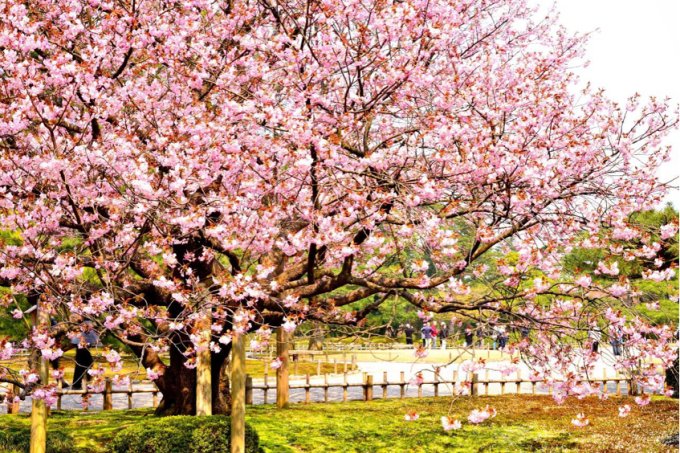
The Six Gardens
- Address.
- 1-4 Kanroku-cho, Kanazawa-shi, Ishikawa-ken
- Transportation.
- Take a bus from Kanazawa Station (Kanrokuen Round Trip Bus) and get off at Kanrokuen Station (opposite Ishikawa Gate) and walk for 1 minute.
- Opening hours:
- March 1 ~ October 15 7:00 ~ 18:00
- Opening hours:
- October 16 ~ February 8:00 ~ 17:00
- Rest Garden:
- Year-round
Toyama Suspension
Kurobe Gorge, the deepest gorge in Japan, and Unazuki Onsen, the most transparent hot spring in Japan, are located here. If you come to Toyama in winter, you can explore the 20-meter-high Snow Deep Valley, a pure white world. The Alps are not only found in Europe, but there is also an Alpine route, Yuki-no-Madani, in Toyama Prefecture.
Suggestions for Other Routes: Tateyama Kurobe Alpine Route Shinjuku Ticket
A discounted ticket that includes the "Highway Bus from Shinjuku to Ogizawa" and the "Tateyama Kurobe Alpine Route Package".
Website:https://www.alpen-route.com/tw/
Kurobe Reservoir
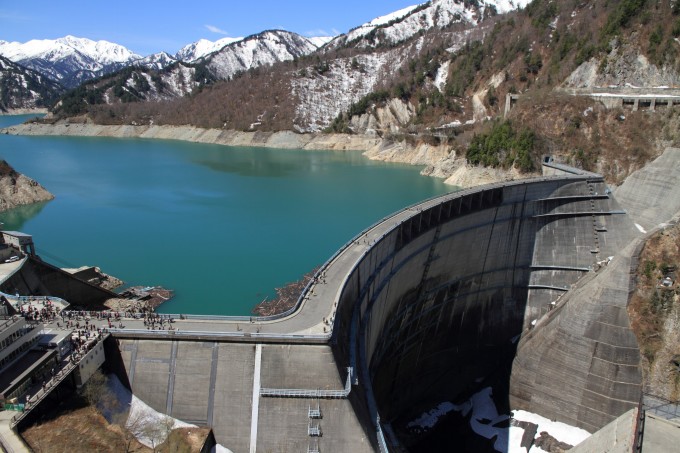
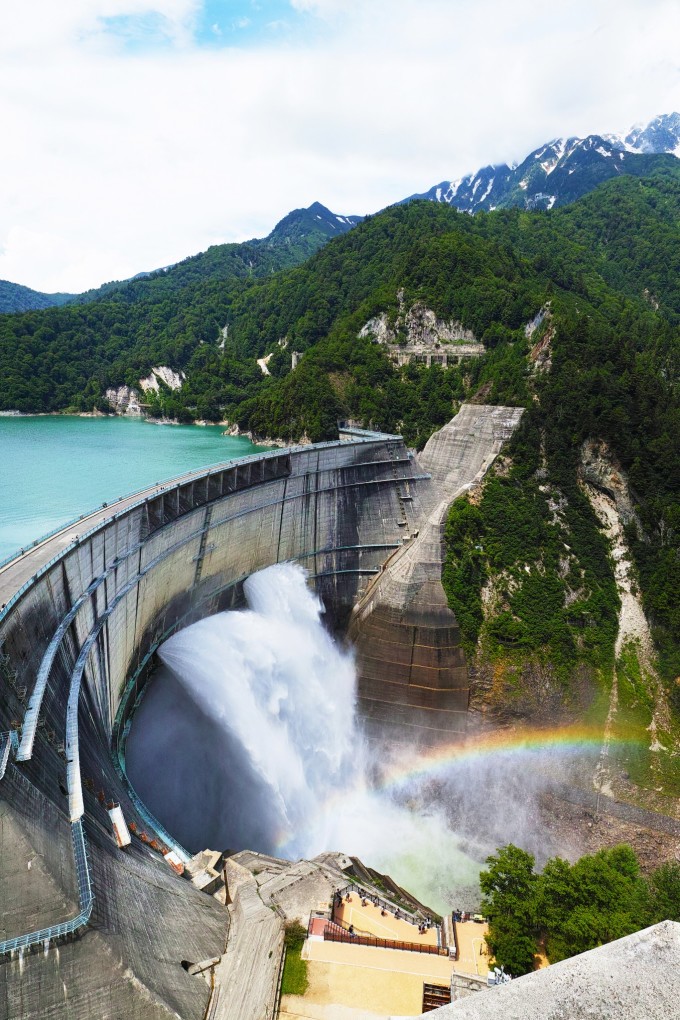
Yuki-no-Otani
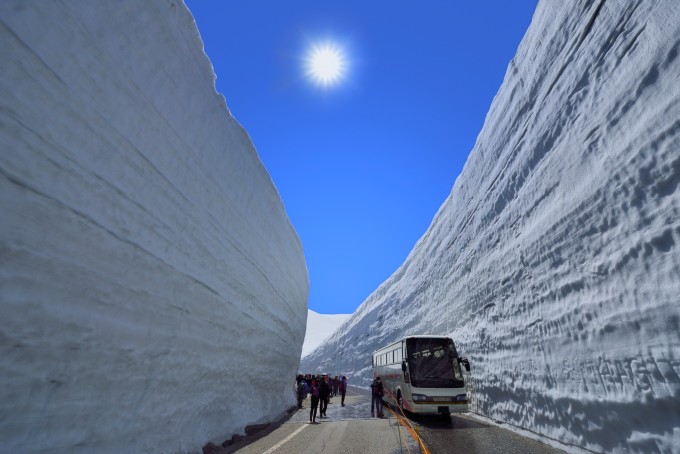
Official Website:https://www.alpen-route.com/enjoy_navi/snow_otani/
Editorial recommendation!
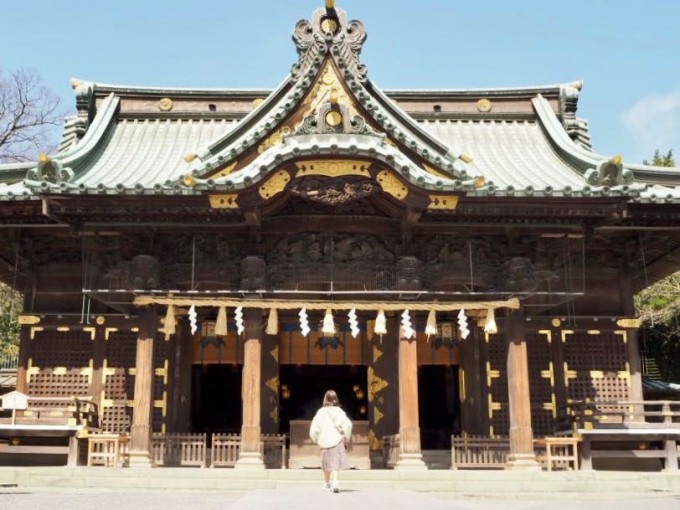 What to do in Shizuoka? -Picturesque Izu Peninsula
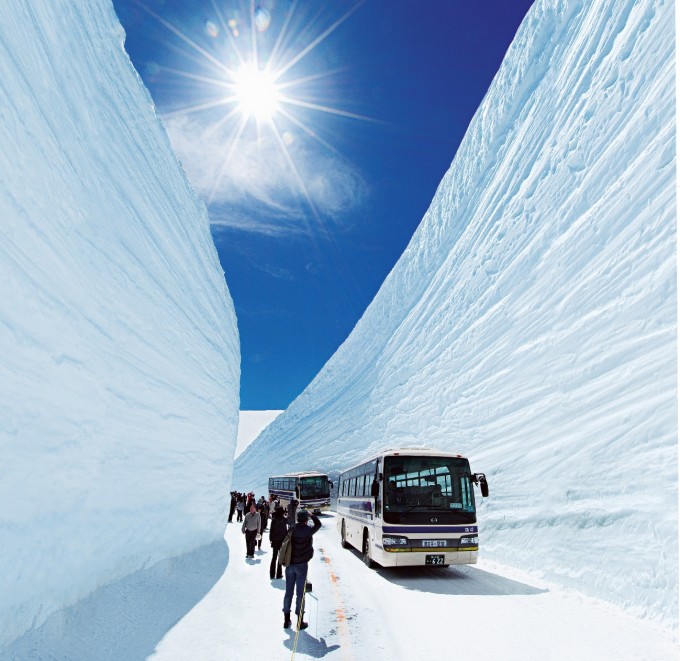 [Day 1] Toyama Prefecture 3 days and 2 nights super complete itinerary! |Japan Free Travel Treasure Traveling Places!
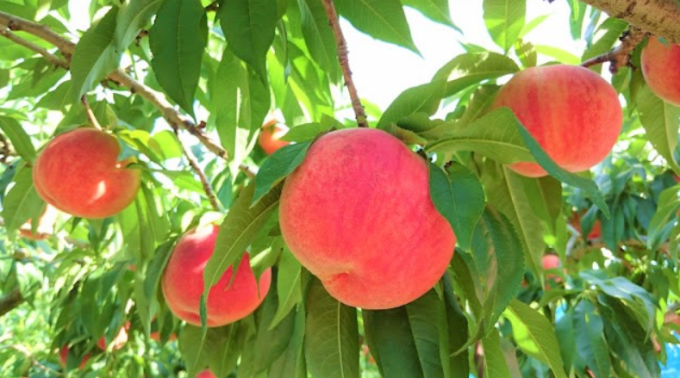 Japan's No. 1 Peach Village - Fuefuki City, Yamanashi Prefecture
 [Day 2] Toyama Prefecture 3 days and 2 nights super complete itinerary! |Japan Free Travel Treasure Traveling Places!