
Tokyo Suburban Super Popular Healing Topic! Ichikawa Zoological and Botanical Garden's Baby Monkey "Punch" Touches the World by Using a Doll as its Mother
 JOYJAPAN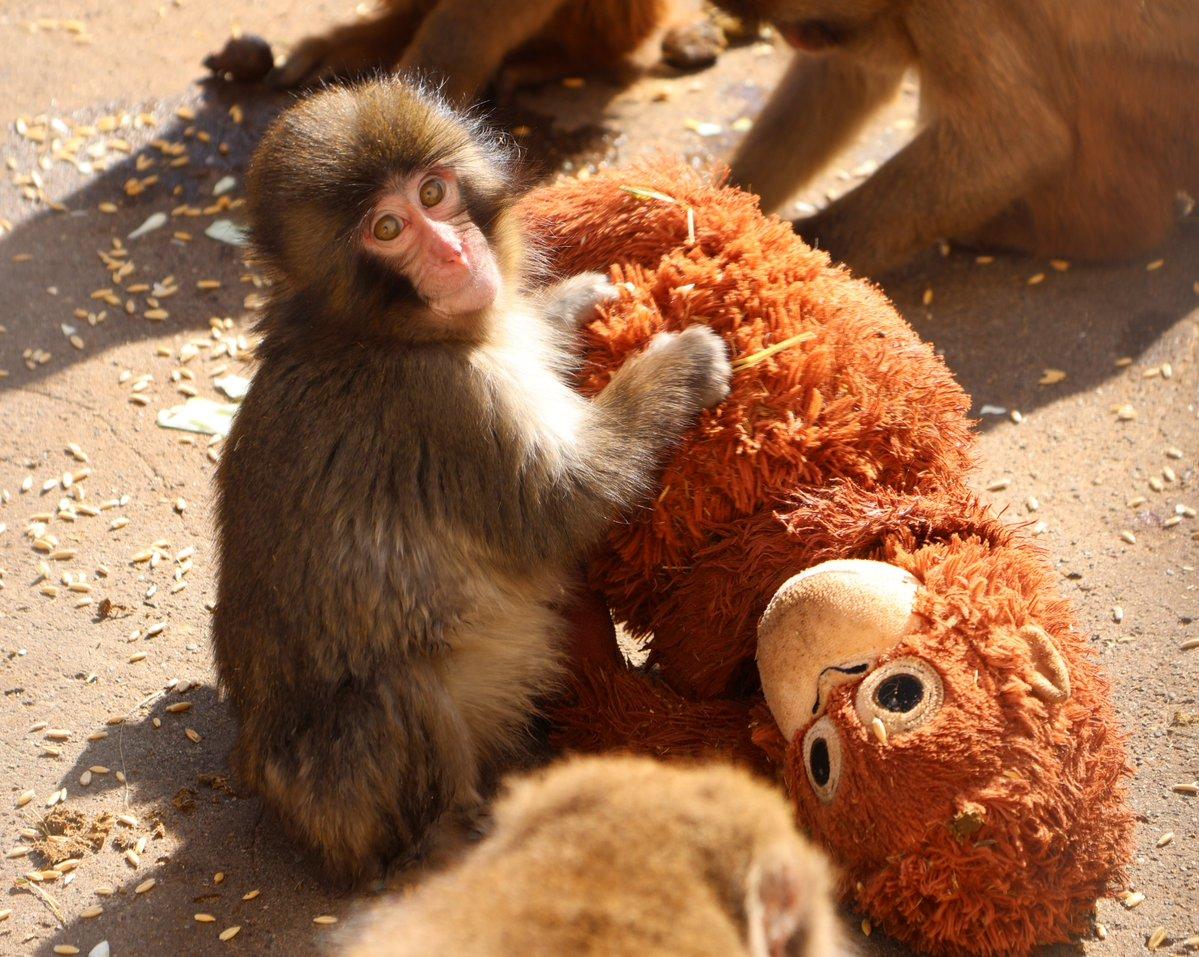
A small monkey from Chiba has been causing a buzz in Japan and on social media overseas. Rejected by its mother shortly after birth, the monkey sleeps, explores, and lives with a stuffed animal, and its efforts to find a sense of security have deeply moved countless people. This little monkey, named "Punch," has now become a globally recognized source of comfort and healing.
It was born at Ichikawa City Zoological Gardens in Chiba Prefecture, about an hour by train from the center of Tokyo. It is a hidden gem for many travelers planning a day trip to the suburbs of Tokyo. This time, Punch's story has brought the zoo back into the spotlight.
A little monkey, rejected by its mother, finds solace in a doll.
Punch is a Japanese macaque born on July 26, 2025. Despite needing to rely on its mother for growth, it was rejected by her shortly after birth. While uncommon, this situation can occur among Japanese macaques, often related to first-time mothers or environmental stress.
Facing the loss of its mother's attachment, the zookeeper tried to comfort the animal with a towel, but Punch surprisingly chose an unexpected "substitute" – a stuffed gorilla. From that moment on, the doll became its most important emotional support.
Whether sleeping, walking, or exploring its surroundings, Punch rarely lets go of this doll. When it feels scared or anxious, it hugs it even tighter, a sight that makes one's heart ache.
Why dolls can replace mothers has scientific basis
Such behavior has actually been studied in psychology for a long time. In the 1950s, psychologist Harry Harlow discovered through experiments that baby monkeys tended to attach themselves more to soft cloth models than to metal models that provided food. This demonstrates that "attachment" is not just about feeding, but also includes touch, warmth, and a sense of security.
It was on this doll that Punch found a sense of "being protected." This cross-species emotional need also prompts us to rethink the nature of "love" and "attachment."
From loneliness to integration into the group, it is slowly growing.
Earlier this year, Punch clearly showed signs of unease and fear when he first encountered the troop of over 50 monkeys in the enclosure. For Japanese macaques, which are highly social animals, integrating into a group is not easy, and conflicts and interactions are all part of the process.
However, recent observations reveal that Punch has begun to gradually integrate into the group. Other monkeys groom it, play with it, and even engage in "educational" interactions. This indicates that it is being accepted by the group and is starting to learn social rules.
Although the stuffed animal still accompanies her, it is no longer her sole reliance, which is an important step in her growth.
Why does Punch's story resonate with people worldwide?
From being rejected by his mother, to seeking comfort from a stuffed animal, to struggling to fit in with the group, Punch's experiences reveal a side of "fragility and strength coexisting." Such emotions are a universal language that transcends borders and cultures.
Because of this, international media outlets such as The New York Times, CNN, and the BBC have all reported on this story, making the image of this little monkey known around the world.
I'm not crying, you are.
For those who aren't familiar with Punch, he is a baby monkey from Japan who was separated from his mother shortly after birth. Since then, zookeepers have been raising him and hand-feeding him to help him survive.
Because he didn't have his mother,... pic.twitter.com/nXfVevaZcX
— Crazy Moments (@Crazymoments01) February 22, 2026
View this post on Instagram
View this post on Instagram
Ichikawa City Zoo and Botanical Garden Travel Information
Address: 284-1 Omachi, Ichikawa City, Chiba Prefecture (Zoo)
213-11 Omachi, Ichikawa City, Chiba Prefecture (Botanical Garden)
Zoo
Opening Hours: 9:30 AM - 4:30 PM (Last admission at 4:00 PM)
Closing days: Every Monday (postponed if it falls on a national holiday), and the New Year holidays.
Admission: ¥440 for adults / ¥110 for children (free for preschoolers)
Nature Observation Garden / Rose Garden
Opening hours: 9:00 AM - 5:00 PM
Closed: Year-end and New Year holidays
Admission: Free
Botanical garden
Opening Hours: 9:30 AM - 4:30 PM
Closing days: Every Monday (postponed if it falls on a national holiday), and the New Year holidays.
Admission: Free
Transportation
It's about an hour by train from central Tokyo, making it suitable for a half-day or full-day trip in the Tokyo suburbs.
Summary: A healing story that makes you rethink "attachment."
Punch's story is not just cute; it resonates deeply with human nature. From relying on a stuffed toy to learning to coexist with a group, every step shows the resilience of life.
If you're planning a trip near Tokyo, consider visiting Ichikawa City Zoological and Botanical Garden to see this world-moving little monkey with your own eyes. It might add a warm memory to your journey.
Related articles!
 [Yamanashi Free Travel] 1.5 hours from Tokyo! Isawa Hot Springs, All-You-Can-Eat Fruit, and Mount Fuji Secret Spot Guide
 Nagasaki Travel Recommendation: Step into the "Wa-Ka-Ran" Exotic Daily Life: Gunkanjima Island Exploration, One of the World's Top Three Night Views, and Huis Ten Bosch Fireworks Feast
 Chiba Forest Dream Night! Resor no Mori Lantern Festival with Fireflies
 [First time in Chiba] Nature, healing, and gourmet food all rolled into one, an attractive spot from Tokyo!