
Must-see in Sapporo's early summer! Hokkaido Jingu Festival: See the portable shrine procession and Nakajima Park food stalls
 Stroll Japan: Kobayashi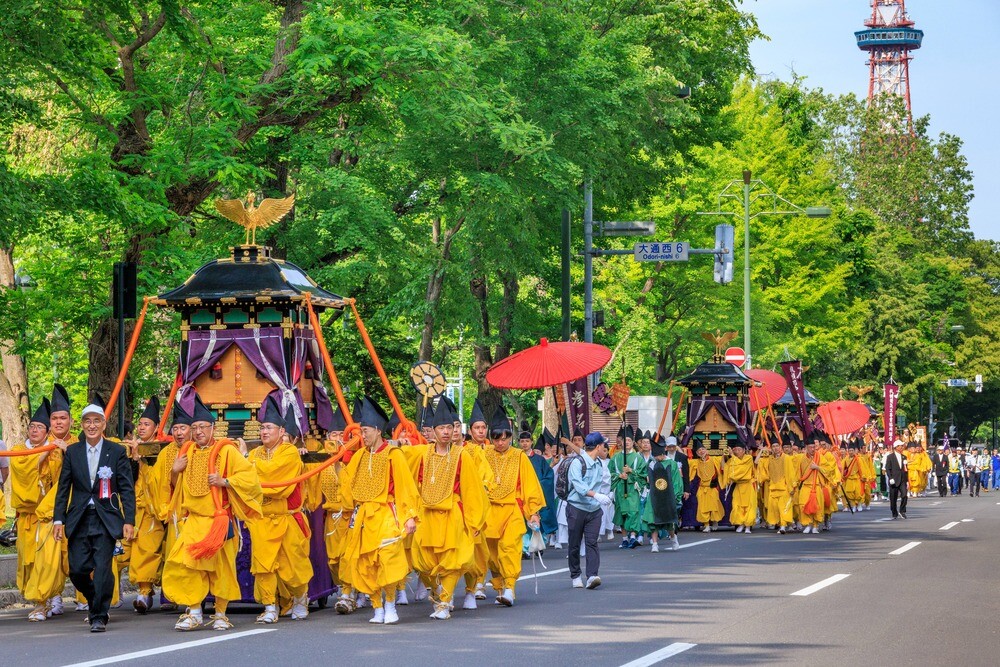
If you happen to be traveling to Sapporo in mid-June and want to experience a more local Hokkaido everyday life beyond shopping and food,Hokkaido Jingu Grand Festival (Sapporo Festival)It's definitely worth scheduling into your itinerary. This is a familiar early summer festival for Sapporo citizens, held annually from June 14th to 16th. In 2026, the dates are Sunday, June 14th to Tuesday, June 16th. The event centers around Hokkaido Jingu Shrine, combining Shinto rituals, offerings, and a mikoshi (portable shrine) procession, along with a lively festival atmosphere of food stalls in the Nakajima Park area.
For Taiwanese travelers visiting Sapporo for the first time, the charm of this festival lies in its "Sapporo-ness." During the day, you can visit Hokkaido Jingu Shrine in the Maruyama area and enjoy the lush greenery within the shrine grounds. In the evening, head to Nakajima Park to experience the food stalls, crowds, and the prelude to summer. If your timing coincides with the Mikoshi Togyo (portable shrine procession) on June 16th, you can witness the shrine palanquins and floats parading through the city center, a unique Sapporo urban landscape that is rarely encountered on typical tourist itineraries.
Hokkaido Jingu Grand Festival: A Major Early Summer Event for Sapporo Residents
The Hokkaido Jingu Reisai, also known as the Sapporo Festival (Sapporo Matsuri), is a festival with over 100 years of history. During the festival, rituals and traditional dedicatory events are held within the precincts of Hokkaido Jingu Shrine, and the city of Sapporo takes on a festive atmosphere with the mikoshi procession. For travelers, this is not an event specially created for tourists, but rather a familiar seasonal marker for Sapporo locals every year.
The climate in Sapporo in June is relatively pleasant. It's not as muggy as midsummer during the day, and there's a slight Hokkaido coolness in the evenings. Including the Hokkaido Jingu Grand Festival in your itinerary allows your Sapporo trip to go beyond just seafood, ramen, and shopping, and to see how the city is connected to shrine culture and street life.
Highlight: The portable shrine procession will march through downtown Sapporo on June 16th.
The most iconic scene of the festival is the mikoshi procession held on June 16th. The deities of Hokkaido Jingu are carried in four portable shrines, accompanied by nine festival floats and over 1,000 citizens in colorful costumes, parading through Sapporo. The vibrant costumes, portable shrines, and floats, interwoven with the urban backdrop, create a magnificent, Heian period scroll-like grandeur.
The parade starts from Hokkaido Jingu Shrine in Maruyama and enters the city center. In the afternoon, there will be a designated time for portable shrines and floats to appear near the South 1 West 4 intersection. If you want to take photos or see the highlights, it will be easier to manage in this area than trying to follow the entire parade. However, it will also be more crowded, so it is recommended to arrive early and avoid the roadway and staff pathways.
Hokkaido Jingu and Nakajima Park: Two Different Festival Atmospheres
Hokkaido Jingu Shrine is suitable for those who want to experience the atmosphere of a traditional festival. There are ceremonies and offerings within the shrine grounds, and food stalls will also be set up. You can visit during the day to pay your respects and enjoy the natural surroundings near Maruyama Park. If you like shrines, forest trails, and a more subdued festival atmosphere, this place is perfect for you.
Nakajima Park, on the other hand, offers a different kind of lively atmosphere. During the festival, the park will have many food stalls, as well as common Japanese festival booths like haunted houses. If you want to eat snacks, people-watch, and experience the atmosphere of Sapporo citizens out and about enjoying the festival at night, you can schedule Nakajima Park for the evening. The two locations have different styles, so if you have enough time, we recommend visiting Hokkaido Shrine during the day and Nakajima Park at night to see two different facets of the festival.
Event Basic Information and Transportation
Event Name:Hokkaido Jingu Grand Festival (Sapporo Festival)
Period:Sunday, June 14, 2026 – Tuesday, June 16, 2026
Main Venue:Hokkaido Jingu Shrine, Nakajima Park
Hokkaido Jingu opening hours:9:00 AM - 9:00 PM, closing at 5:00 PM on the final day
Nakajima Park Stall Business Hours:10:00 AM - 9:00 PM; final day business hours vary by stall.
Palace float procession and festival event consultations:Hokkaido Jingu Shrine Office 011-611-0261
Nakajima Park Vendors Inquiry:Nakajima Park Management Office 011-511-3924
Official Website:Hokkaido Jingu Grand Festival Official Page
Transportation advice:To get to Hokkaido Jingu Shrine, take the Sapporo Municipal Subway Tozai Line to Maruyama Koen Station and walk. To get to Nakajima Park, take the Namboku Line to Nakajima Koen Station. During the festival, the surrounding area may be more crowded and traffic heavier than usual, so it is recommended to use public transportation.
How should Taiwanese travelers plan their trip for the smoothest experience?
If you only have one day, I recommend visiting Hokkaido Jingu Shrine and Maruyama Park in the morning or around noon, with a side trip to Maruyama Zoo or a cafe in the Maruyama area. In the afternoon, head back to the Odori and Susukino areas for shopping, and then go to Nakajima Park in the evening to explore the food stalls. This itinerary is not too demanding and allows you to experience a shrine, the city, and a festive evening.
If your date happens to be June 16th, you can schedule the Mikoshi Procession as the main event. In the afternoon, head to the area around South 1 West 4 to see the mikoshi and festival floats, then continue on to Odori, Susukino, or Nakajima Park for dinner and to explore the festival. Those who want to take photos should be mindful of etiquette, avoid blocking the procession route, and try not to linger for too long in front of the moving parade.
Sapporo Festival Quick Tips: What to Wear, Transportation, and Food Stalls
June in Sapporo is comfortable during the day, but it can still be cool at night, so it's recommended to bring a light jacket. If you plan to visit the Nakajima Park food stalls (yatai), wear comfortable shoes as moving can be slow when crowds are large. For enjoying street food, have cash or small bills ready; although electronic payments are increasing in Japan, not all festival stalls may support them.
The Hokkaido Jingu Festival isn't just about lively food stalls; it also has the solemnity of a shrine festival. Seeing the shrine and offerings during the day and then strolling through Nakajima Park at night provides a more complete experience than visiting just one of them. For Taiwanese travelers, this is a great early summer event to get a feel for the local pace of life in Sapporo, and it adds a genuine urban seasonal memory to your Hokkaido trip.
Related articles!
 Japanese Department Store New Project Kicks Off June 20th! Fully Ripe, A.M. Picked Sato Nishiki Cherries from Yamagata Sold Exclusively in Akihabara and Nihonbashi
 Twister fans are looking forward to it! Official Twister Store Asakusa Opening: 548 Machines, Limited Access Points, and Opening Gifts!
 [2026 Hakata Food Guide] Gion Iron Pot Gyoza (Tetsunabe) Strategy! Must-Eat Local Lineup Spot for Those Not Driving!
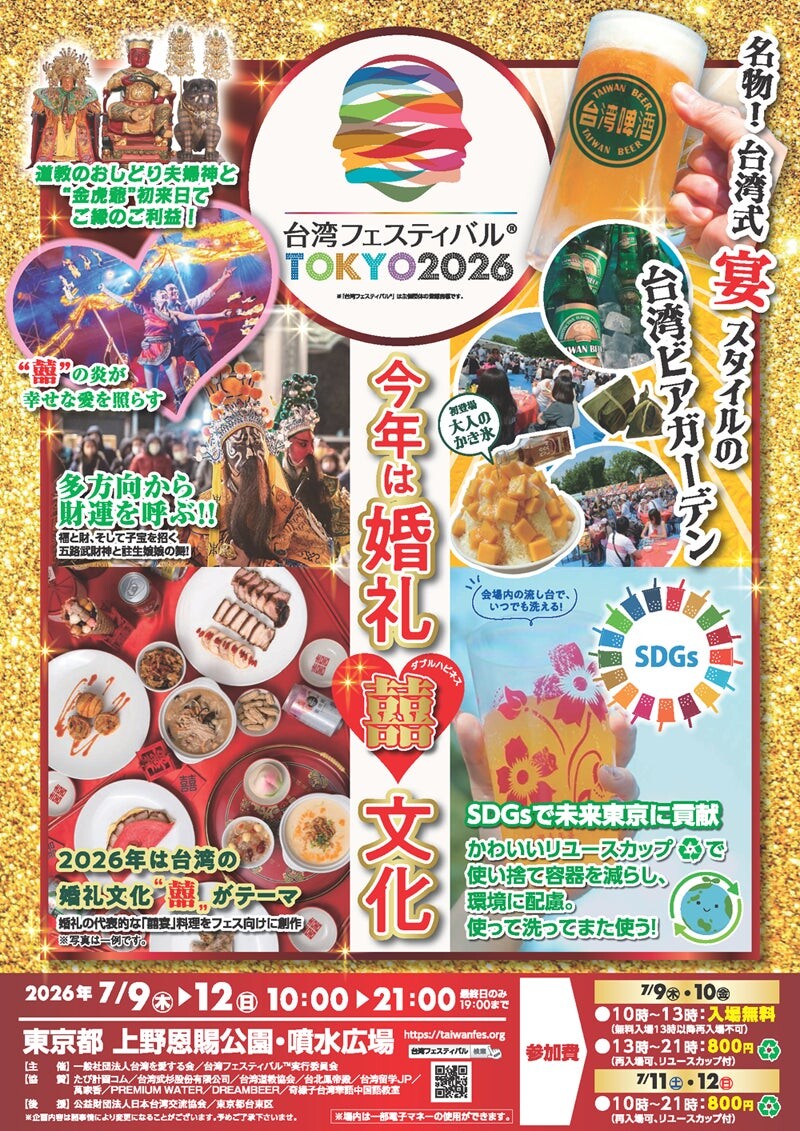 Taiwanese Make a Pilgrimage in Reverse! Ueno Taiwan Festival 2026 Recreates Wedding Culture with "囍"