
Wakayama's most engaging traditional festival of summer nights! The 58th Kishu Dance "Bun-dara Festival" will be held on August 1st.
 bea_user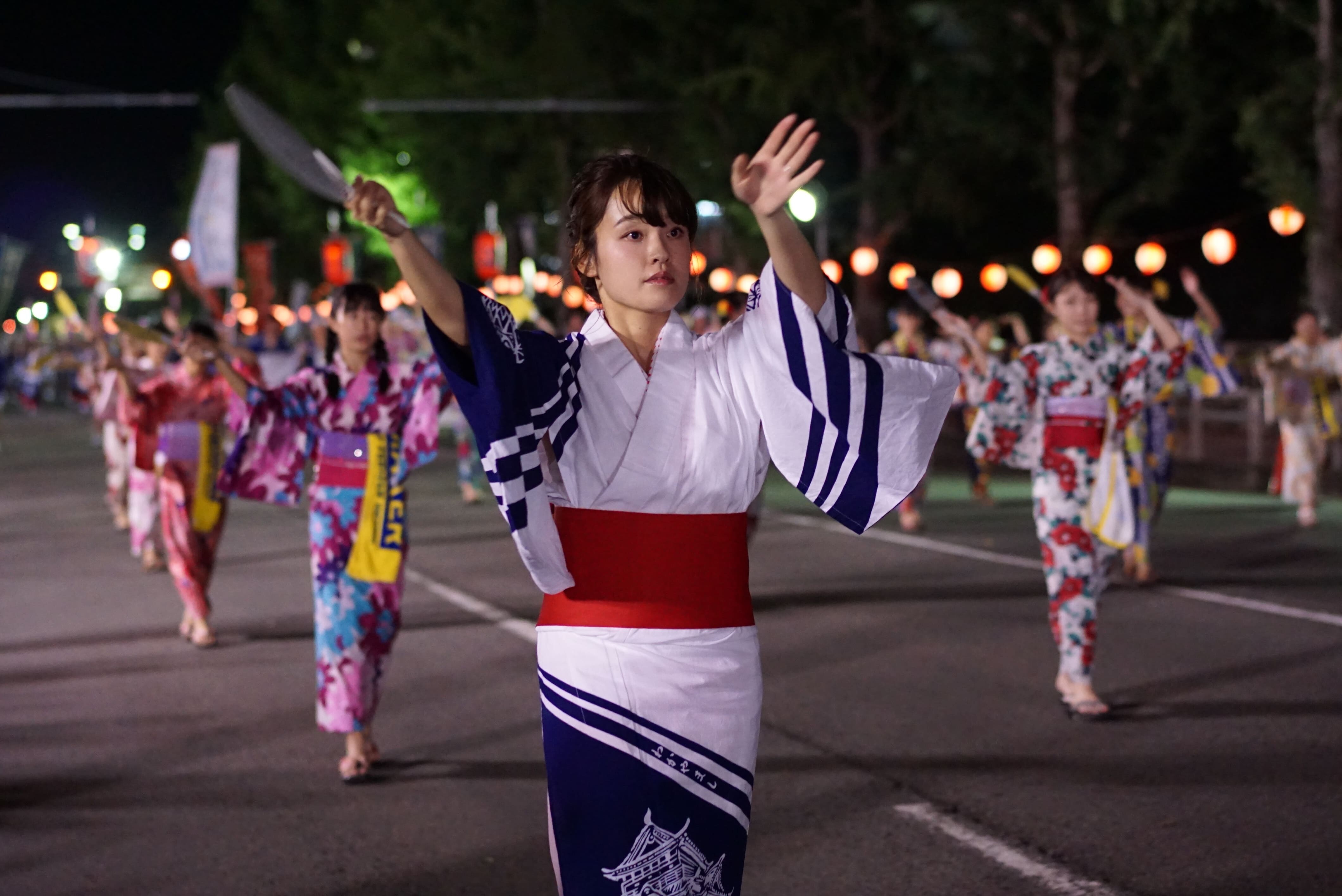
If you happen to be planning a trip to the Kansai region in early August, besides the classic Osaka and Kyoto itineraries, we highly recommend spending one night in Wakayama City. The 58thKishu Odori "Bundara-bushi"will beSaturday, August 1, 2026, 5:30 PM - 9:20 PMto hold, the day beforeFriday, July 31st, 6:15 PM - 8:30 PMThere's also the eve festival. This isn't a festival where you just stand by and watch; it's Wakayama's representative summer event where you can see about 5,000 dancers take to the streets and travelers can join in the circle dances to feel the festive atmosphere.
The charm of Wakayama City lies in its relaxed pace compared to downtown Osaka, yet it offers a travel experience complete with a castle, port, local cuisine, and summer festivals all in one. If you're looking to add a "truly local feel" to your Kansai independent trip, the Bun-dara Festival will be more memorable than simply sightseeing in commercial districts. Stroll around the Wakayama Castle area in the evening, and after nightfall, watch dance troupes, listen to the drums, and browse the stalls. The flow of the entire evening feels very natural.
Table of Contents
- 1 Wakayama's citizen-participation festival, continuing for over half a century
- 2 Festival Highlights: Street Dance, Circle Dance, and Wakayama Castle Night View
- 3 The eve festival starts on July 31st, and travelers can easily join.
- 4 How to best view the booths and schedule?
- 5 Event Basic Information and Transportation
- 6 Here are some popular itineraries for a Kansai free and easy trip, catering to different interests and lengths of stay: **Option 1: Classic Kansai (5-7 Days)** This is a great option for first-timers who want to see the highlights. * **Day 1-3: Osaka** * **Must-sees:** Dotonbori (food, neon lights), Osaka Castle, Shinsaibashi (shopping), Kuromon Market (food), Umeda Sky Building (views). * **Optional:** Universal Studios Japan, Shinsekai, Tennoji Zoo. * **Day trip:** Nara (Todai-ji Temple, Nara Park with deer). * **Day 4-6: Kyoto** * **Must-sees:** Fushimi Inari Shrine (thousands of red torii gates), Kinkaku-ji (Golden Pavilion), Arashiyama Bamboo Grove, Gion (geisha district), Kiyomizu-dera Temple. * **Optional:** Ryoan-ji (zen rock garden), Nijo Castle, Nishiki Market. * **Day trip:** Uji (Kyoto's tea region). * **Day 7 (Optional Departure):** Travel back to Osaka/KIX for departure or a final day of souvenir shopping. **Option 2: Deeper Dive into Culture & Nature (7-10 Days)** This itinerary allows for a more relaxed pace and exploration of lesser-known spots. * **Day 1-3: Osaka** (as above, maybe with a bit more focus on local neighborhoods or specific interests like food tours) * **Day 4-7: Kyoto** (as above, but allocate more time for wandering and exploring different districts, maybe a traditional tea ceremony or cooking class) * **Day 8: Kobe** * **Must-sees:** Kobe Harborland, Meriken Park, Kitano Ijinkan (foreign residences), Chinatown, try Kobe beef. * **Optional:** Rokko Mountain (views, botanical garden). * **Day 9-10: Himeji & Koya-san (Mount Koya)** * **Himeji:** Visit the majestic Himeji Castle (Japan's most stunning original castle). * **Koya-san:** Experience a temple stay (shukubo), visit Okunoin Cemetery (atmospheric), and explore the sacred temples. This is a spiritual and unique experience. * **Day 10 (Departure):** Travel back to Osaka/KIX for departure. **Option 3: Short & Sweet Kansai (3-4 Days)** Ideal for a quick getaway focusing on the absolute essentials. * **Day 1-2: Osaka** * Choose 3-4 key attractions from the Osaka list. * **Day 3: Kyoto** * Focus on 2-3 iconic Kyoto sights like Fushimi Inari and Kinkaku-ji. * **Day 4 (Optional Departure):** Depart from Osaka/KIX. **Option 4: The Foodie's Kansai (5-7 Days)** This itinerary is designed for those who want to eat their way through the region. * **Day 1-3: Osaka** * **Focus:** Kuromon Market, Dotonbori (street food galore!), conveyor belt sushi, okonomiyaki, takoyaki, ramen exploration, food tours. * **Day 4-5: Kyoto** * **Focus:** Nishiki Market, Uji for matcha, kaiseki (multi-course haute cuisine), traditional sweets, local izakayas. * **Day 6: Kobe** * **Focus:** Kobe beef experience, Chinatown. * **Day 7 (Departure):** Depart from Osaka/KIX. **Key Considerations When Planning:** * **Length of Stay:** How many days do you have in total? * **Interests:** Are you more into history, temples, modern attractions, nature, food, or shopping? * **Pace:** Do you prefer a fast-paced trip covering a lot, or a more relaxed journey? * **Accommodation Location:** Consider staying in one central hub (e.g., Osaka or Kyoto) and taking day trips, or splitting your stay between cities. * **Transportation:** Kansai is well-connected by train. A Japan Rail Pass might be beneficial depending on your itinerary, or consider regional passes. * **Time of Year:** Cherry blossom season (spring) and autumn foliage are popular but crowded. Summer can be hot and humid. Winter is cooler and less crowded. **General Tips for Kansai:** * **Get a Pocket Wi-Fi or SIM Card:** Essential for navigation and communication. * **Learn Basic Japanese Phrases:** While many signs are in English, knowing a few phrases can be helpful and polite. * **Carry Cash:** Many smaller establishments and temples only accept cash. * **Wear Comfortable Shoes:** You'll be doing a lot of walking! * **Book Accommodation in Advance:** Especially during peak seasons. * **Utilize HyperDia or Google Maps for Train Schedules:** They are invaluable for planning your travel. To give you the best recommendation, tell me: 1. **How many days will your trip be?** 2. **What are your top priorities or interests?** (e.g., food, temples, shopping, nature, anime, etc.) 3. **Are you traveling solo, with family, or friends?**
Wakayama's citizen-participation festival, continuing for over half a century
The Bun-dara dance festival has been held in Wakayama City for over half a century and is a community participatory event that makes a significant presence felt during the summer. "Kishu" in the event name is an old place name for the Wakayama area, which also gives the festival a strong local flavor. In recent years, the event has attracted about 5,000 dancers and approximately 65,000 spectators, making it quite lively. However, its appeal lies not just in the large number of people, but in how the entire castle town is connected through dance and "ondo" (a type of Japanese folk song and dance) on a single night.
For Taiwanese travelers, the most worthwhile aspect of these festivals is how Japanese local cities integrate tradition, community, and tourism into a single scene. Dancers come from among citizens, businesses, and various groups, marching in uniform costumes through the streets. Spectators feel the music and the flow of the procession from the roadside, offering a more live experience than watching performances at large tourist attractions.
Festival Highlights: Street Dance, Circle Dance, and Wakayama Castle Night View
This festival venue is located in front of Wakayama Castle and includesNishinomaru Plaza與Keyaki OdoriThe festival's core is street dancing as the troupe parades through the streets, and circle dancing unfolding with Wakayama Castle as the backdrop. The transition of light from dusk to night is perfect for photography, with the castle's silhouette, lanterns, and crowds creating a strong summer festival atmosphere.
If this is your first time attending a Japanese local festival, it's recommended to focus on "watching the parade" first, and then head to Nishinomaru Square to experience the circle dance. The atmosphere at the venue usually gets more lively as the night goes on, but the crowds will also increase. If you want to capture clear photos of the parade and street scenes, find a spot by the roadside in the earlier part of the event. For those who want to feel more involved, focus your attention around the square and follow the rhythm to see how everyone dances. This will help you remember the evening better than just taking pictures.
The eve festival starts on July 31st, and travelers can easily join.
The eve festival for the upcoming event will be held on Friday, July 31, 2026, at Wakayama Castle Nishinomaru Square, from 6:15 PM to 8:30 PM. Food trucks will be available from 5:30 PM to 9:00 PM. The eve festival primarily features circle dances around the festival's main platform, creating a more intimate atmosphere than the main festival and making it easier for tourists to participate.
If your schedule allows, we highly recommend choosing either the eve festival or the main festival, or even staying overnight to watch both days. The eve festival is suitable for those who want to casually experience the festival atmosphere and try some local snacks. The main festival, on the other hand, is more suitable for those who want to see large processions, photograph street dances, and feel the overall energy of the city. It's also feasible to travel from Osaka city, but if you don't want to rush for the last train, staying around Wakayama-shi Station or Wakayama Station would be more comfortable.
How to best view the booths and schedule?
On August 1st, the day of the main festival,"Festival Stall Street (Ennichi Yokocho)" starting at 4:00 PMStarting off, about 30 stalls will heat up the summer night atmosphere. The opening ceremony begins at 17:30, with taiko drum performances and a Daimyo procession on site. Traditional melodies will be performed starting at 18:50.True Bun-dara BushiThe circle dance starts at 7:15 PM. If you want to watch the entire process, arriving around 4:30 PM to 5:00 PM is ideal. You can grab something to eat, confirm the restroom locations and your return route, and then slowly wait for it to get dark.
Festival food stalls will have shaved ice, yakisoba, and other summer festival staples, and you might also find local Wakayama flavors or trendy dishes. Taiwanese travelers can be flexible with their dinner plans and don't need to eat too much beforehand; walking around and eating on-site will actually enhance the festival experience. However, the summer nights in Kansai are still muggy, so it's recommended to bring water, a fan, or a small towel, and prioritize comfortable shoes.
Event Basic Information and Transportation
Event Name:The 58th Kishu Odori "Bundara-bushi"
Festival Dates:Saturday, August 1, 2026, 5:30 PM - 9:20 PM
Eve festivalFriday, July 31, 2026, 6:15 PM – 8:30 PM, Food Truck 5:30 PM – 9:00 PM
Location:The festival will be held in front of Wakayama Castle, Nishinomaru Plaza, and around Keyaki-dori; the eve festival will only be held in Nishinomaru Plaza.
Traffic:Approximately 15 minutes on foot from Nankai Wakayama-shi Station; approximately 15 minutes by car from the Kii Expressway Wakayama IC, and approximately 25 minutes from the Wakayama-minami Smart IC.
Consultation:Wakayama City Tourism Division, Phone 073-435-1234, Email kanko@city.wakayama.lg.jp
Activity PageWakayama City Event Information Page
Here are some popular itineraries for a Kansai free and easy trip, catering to different interests and lengths of stay: **Option 1: Classic Kansai (5-7 Days)** This is a great option for first-timers who want to see the highlights. * **Day 1-3: Osaka** * **Must-sees:** Dotonbori (food, neon lights), Osaka Castle, Shinsaibashi (shopping), Kuromon Market (food), Umeda Sky Building (views). * **Optional:** Universal Studios Japan, Shinsekai, Tennoji Zoo. * **Day trip:** Nara (Todai-ji Temple, Nara Park with deer). * **Day 4-6: Kyoto** * **Must-sees:** Fushimi Inari Shrine (thousands of red torii gates), Kinkaku-ji (Golden Pavilion), Arashiyama Bamboo Grove, Gion (geisha district), Kiyomizu-dera Temple. * **Optional:** Ryoan-ji (zen rock garden), Nijo Castle, Nishiki Market. * **Day trip:** Uji (Kyoto's tea region). * **Day 7 (Optional Departure):** Travel back to Osaka/KIX for departure or a final day of souvenir shopping. **Option 2: Deeper Dive into Culture & Nature (7-10 Days)** This itinerary allows for a more relaxed pace and exploration of lesser-known spots. * **Day 1-3: Osaka** (as above, maybe with a bit more focus on local neighborhoods or specific interests like food tours) * **Day 4-7: Kyoto** (as above, but allocate more time for wandering and exploring different districts, maybe a traditional tea ceremony or cooking class) * **Day 8: Kobe** * **Must-sees:** Kobe Harborland, Meriken Park, Kitano Ijinkan (foreign residences), Chinatown, try Kobe beef. * **Optional:** Rokko Mountain (views, botanical garden). * **Day 9-10: Himeji & Koya-san (Mount Koya)** * **Himeji:** Visit the majestic Himeji Castle (Japan's most stunning original castle). * **Koya-san:** Experience a temple stay (shukubo), visit Okunoin Cemetery (atmospheric), and explore the sacred temples. This is a spiritual and unique experience. * **Day 10 (Departure):** Travel back to Osaka/KIX for departure. **Option 3: Short & Sweet Kansai (3-4 Days)** Ideal for a quick getaway focusing on the absolute essentials. * **Day 1-2: Osaka** * Choose 3-4 key attractions from the Osaka list. * **Day 3: Kyoto** * Focus on 2-3 iconic Kyoto sights like Fushimi Inari and Kinkaku-ji. * **Day 4 (Optional Departure):** Depart from Osaka/KIX. **Option 4: The Foodie's Kansai (5-7 Days)** This itinerary is designed for those who want to eat their way through the region. * **Day 1-3: Osaka** * **Focus:** Kuromon Market, Dotonbori (street food galore!), conveyor belt sushi, okonomiyaki, takoyaki, ramen exploration, food tours. * **Day 4-5: Kyoto** * **Focus:** Nishiki Market, Uji for matcha, kaiseki (multi-course haute cuisine), traditional sweets, local izakayas. * **Day 6: Kobe** * **Focus:** Kobe beef experience, Chinatown. * **Day 7 (Departure):** Depart from Osaka/KIX. **Key Considerations When Planning:** * **Length of Stay:** How many days do you have in total? * **Interests:** Are you more into history, temples, modern attractions, nature, food, or shopping? * **Pace:** Do you prefer a fast-paced trip covering a lot, or a more relaxed journey? * **Accommodation Location:** Consider staying in one central hub (e.g., Osaka or Kyoto) and taking day trips, or splitting your stay between cities. * **Transportation:** Kansai is well-connected by train. A Japan Rail Pass might be beneficial depending on your itinerary, or consider regional passes. * **Time of Year:** Cherry blossom season (spring) and autumn foliage are popular but crowded. Summer can be hot and humid. Winter is cooler and less crowded. **General Tips for Kansai:** * **Get a Pocket Wi-Fi or SIM Card:** Essential for navigation and communication. * **Learn Basic Japanese Phrases:** While many signs are in English, knowing a few phrases can be helpful and polite. * **Carry Cash:** Many smaller establishments and temples only accept cash. * **Wear Comfortable Shoes:** You'll be doing a lot of walking! * **Book Accommodation in Advance:** Especially during peak seasons. * **Utilize HyperDia or Google Maps for Train Schedules:** They are invaluable for planning your travel. To give you the best recommendation, tell me: 1. **How many days will your trip be?** 2. **What are your top priorities or interests?** (e.g., food, temples, shopping, nature, anime, etc.) 3. **Are you traveling solo, with family, or friends?**
If departing from Osaka, you can spend the day in Wakayama City or around Wakayama Castle, and then attend the festival in the evening. Those who enjoy ocean views can also visit Wakano-ura and the port area during the day, and return to the front of the castle in the evening to watch the Bun-dara Festival. If you have children or elderly companions, it's recommended to choose the eve of the festival or the first half of the main festival. The activity area will be easier to manage, and you won't be as worn out by the crowds later on.
The most captivating aspect of Bun-dara-bushi is how it transforms "watching a festival" into "walking into a local summer night." You don't need to understand the full steps; you can feel the intensity from the drumbeats, the procession, the aroma of food stalls, and the nighttime view of Wakayama Castle. If you want to add a uniquely local evening to your Kansai itinerary that goes beyond urban sightseeing, this Wakayama summer festival is definitely worth putting on your list.
Related articles!
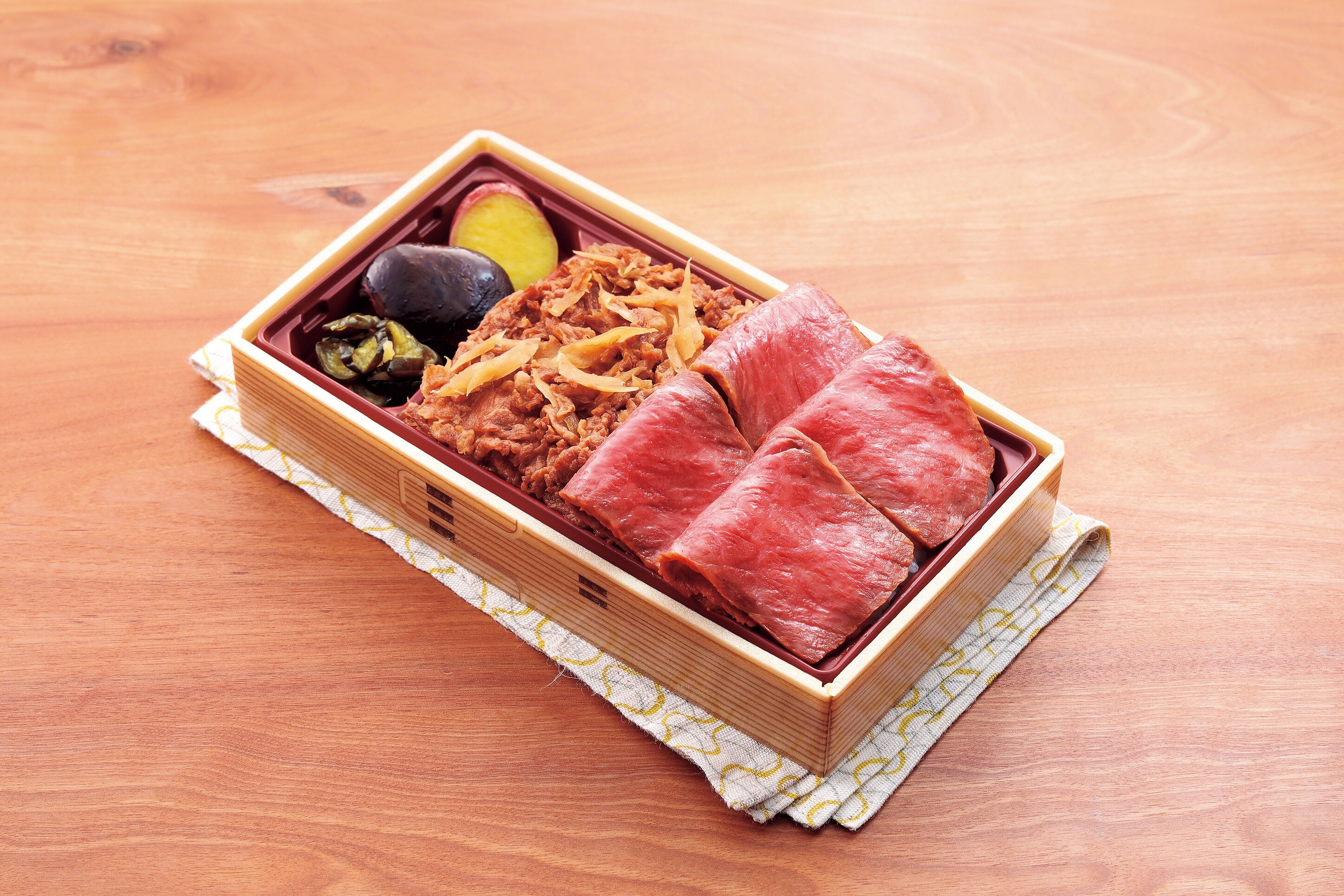 Ikebukuro Tobu Great Kyushu Fair Arrives July 29th! Enjoy Brand Beef Bento Boxes, Chilled Desserts, and Mentaiko Delicacies All at Once for a Taste of Kyushu.
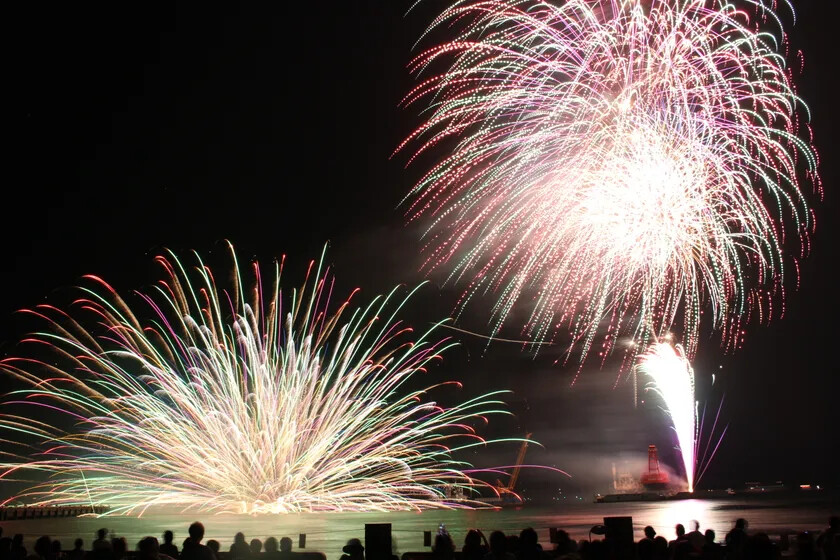 Wakayama Port Summer Night Upgrade! The 74th Wakayama Port Festival Fireworks Display will feature a 500-drone show for the first time.
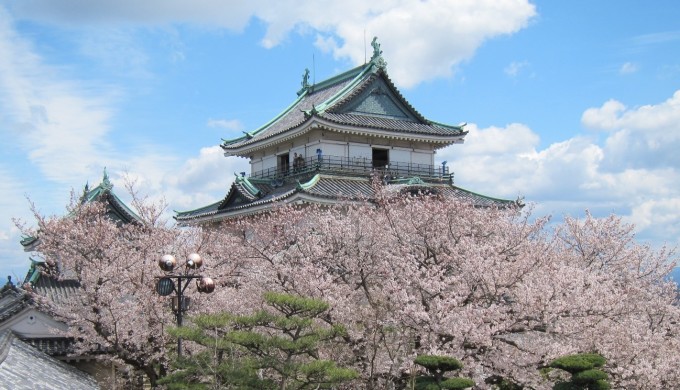 It's not just Keihanna! Kansai Backyard Wakayama Prefecture 4 Days 3 Nights Ace Itinerary Guide
 Wakayama Port Festival Fireworks Display 2026 Sea VIP Seats: Charter boat from Awaji Island to watch 3,000 fireworks and drone show, limited to 1 group reservation by July 6.